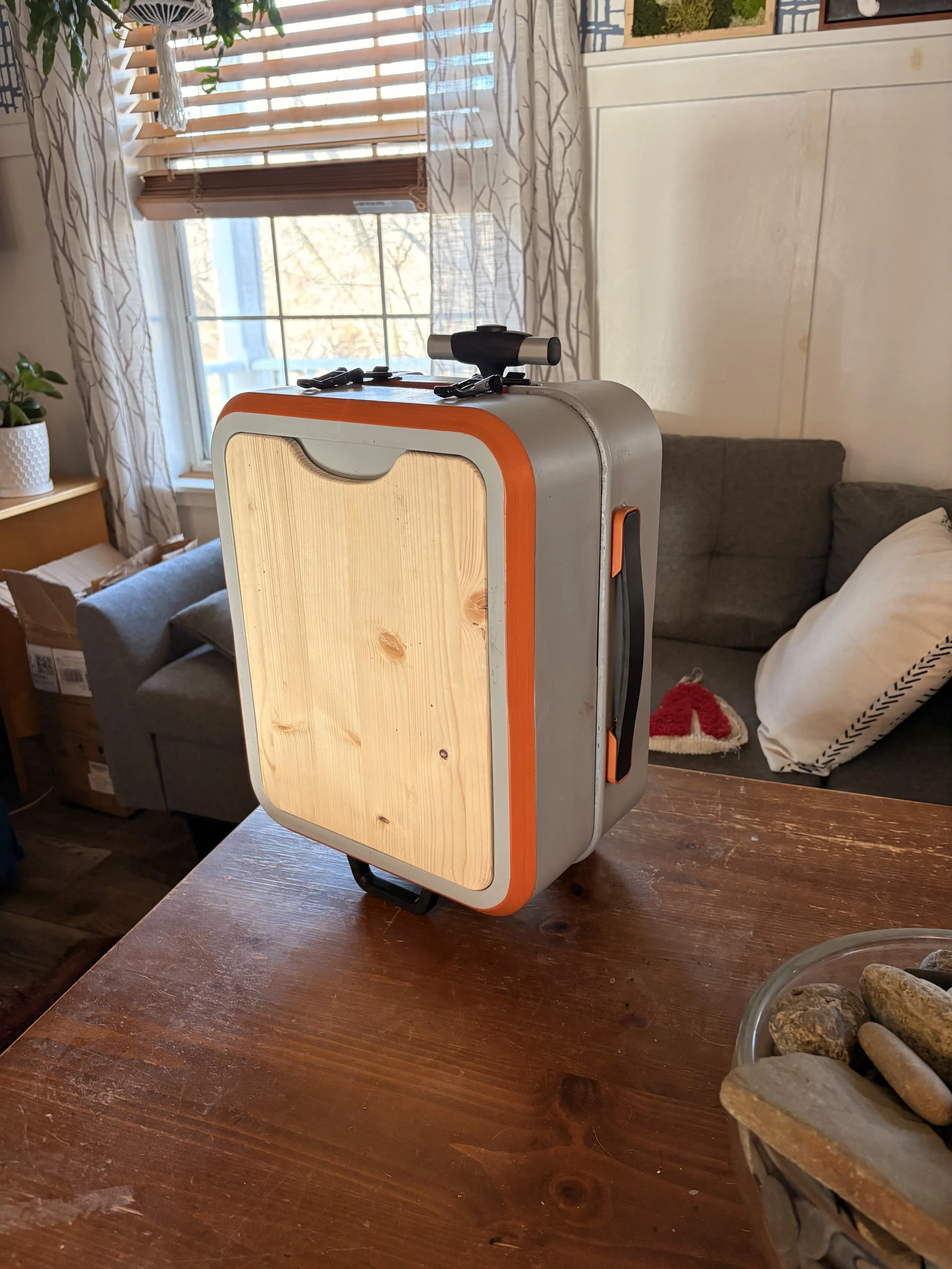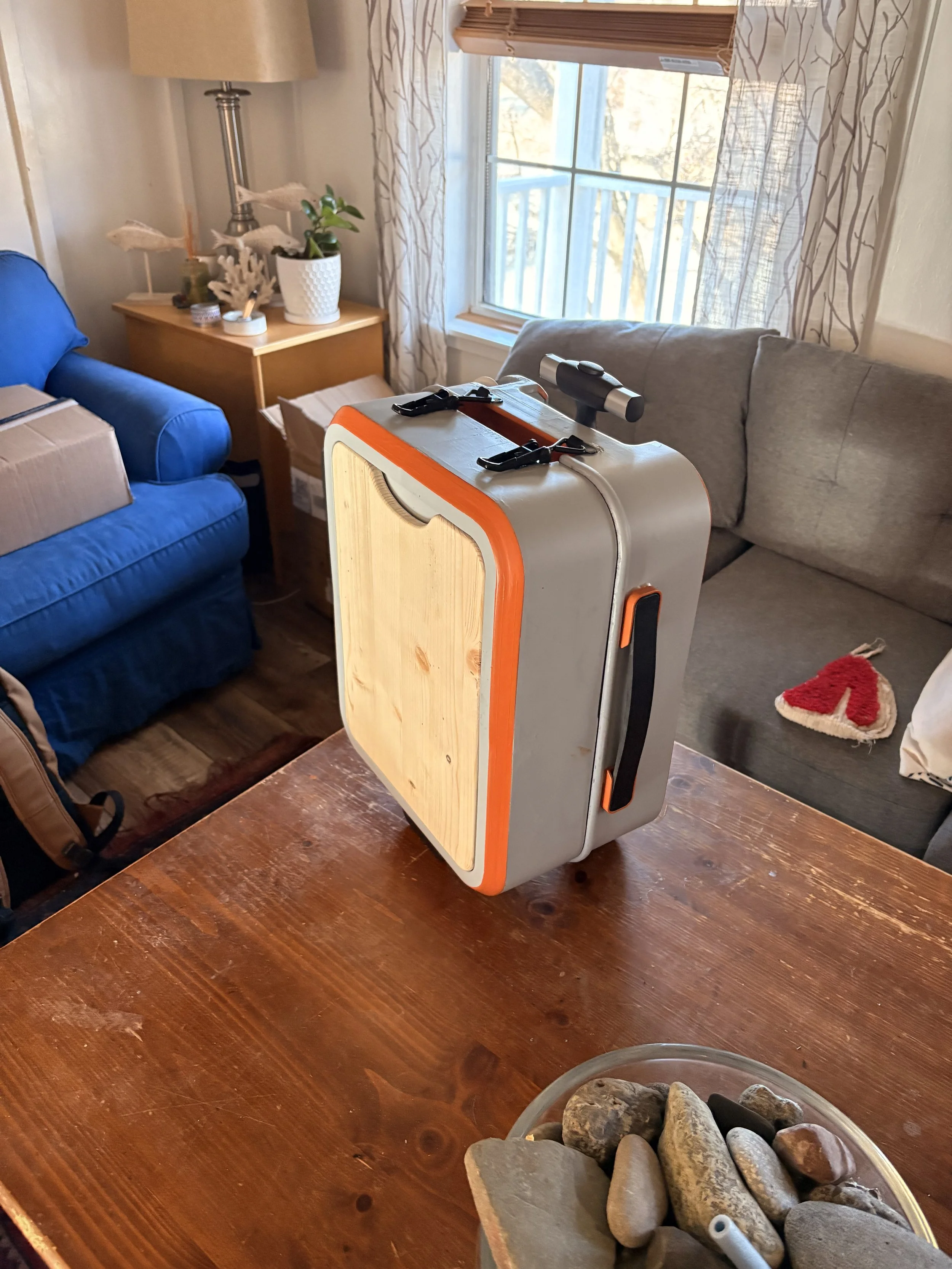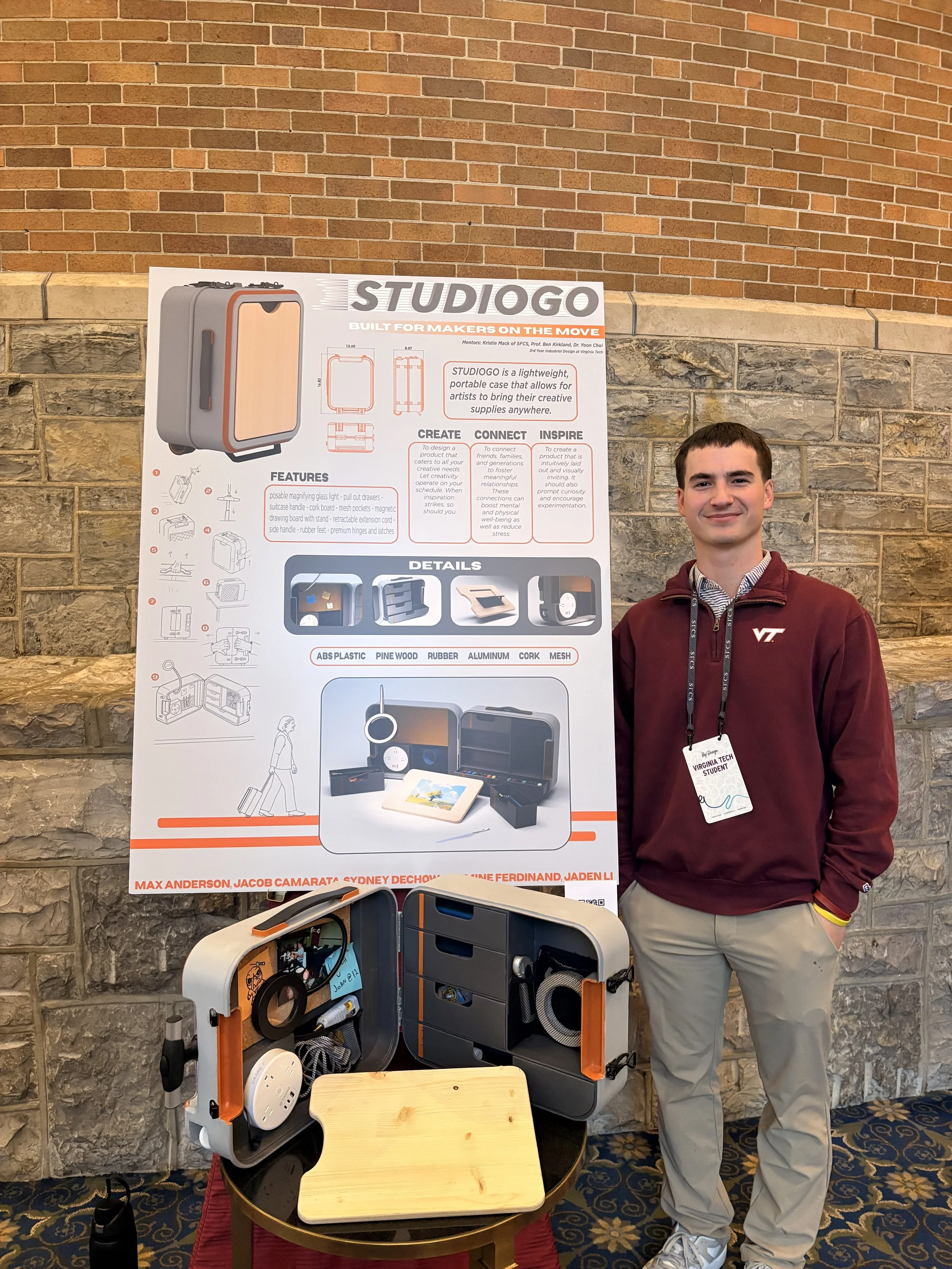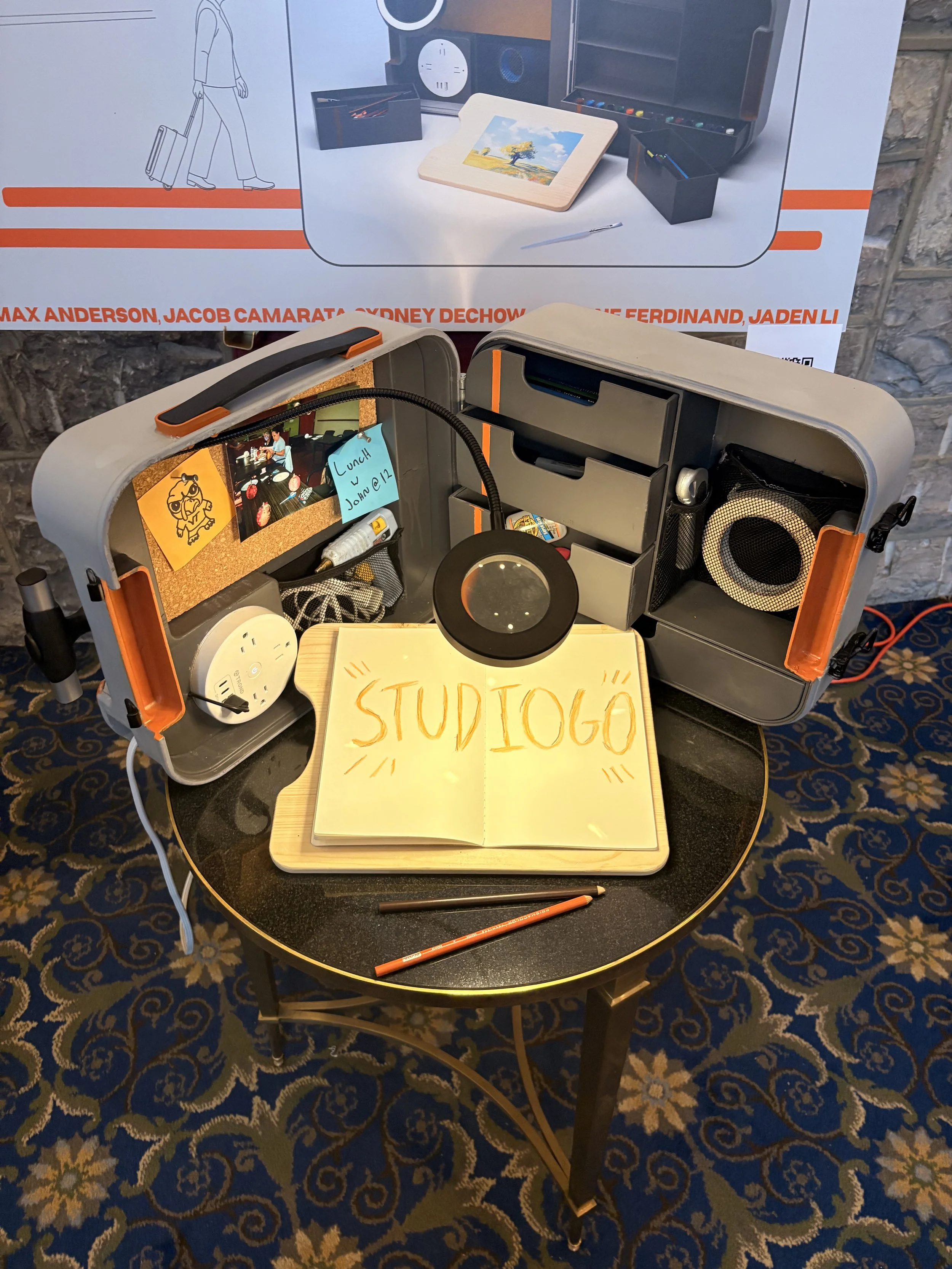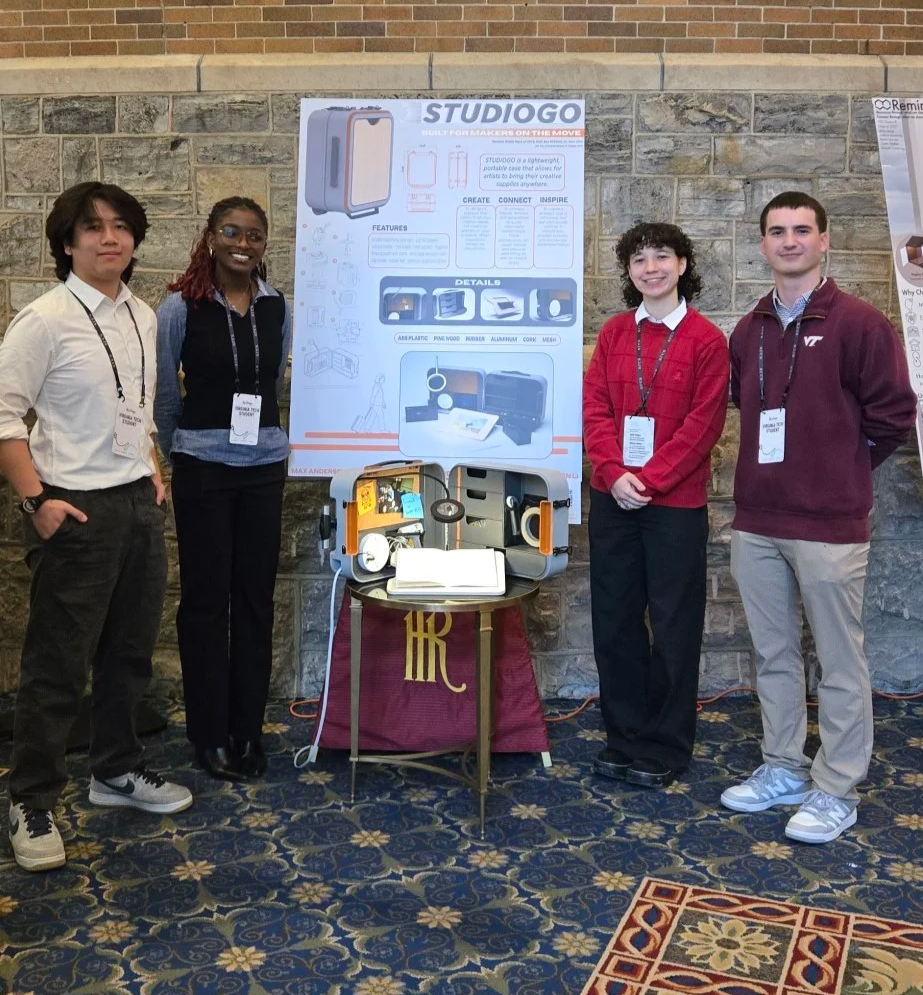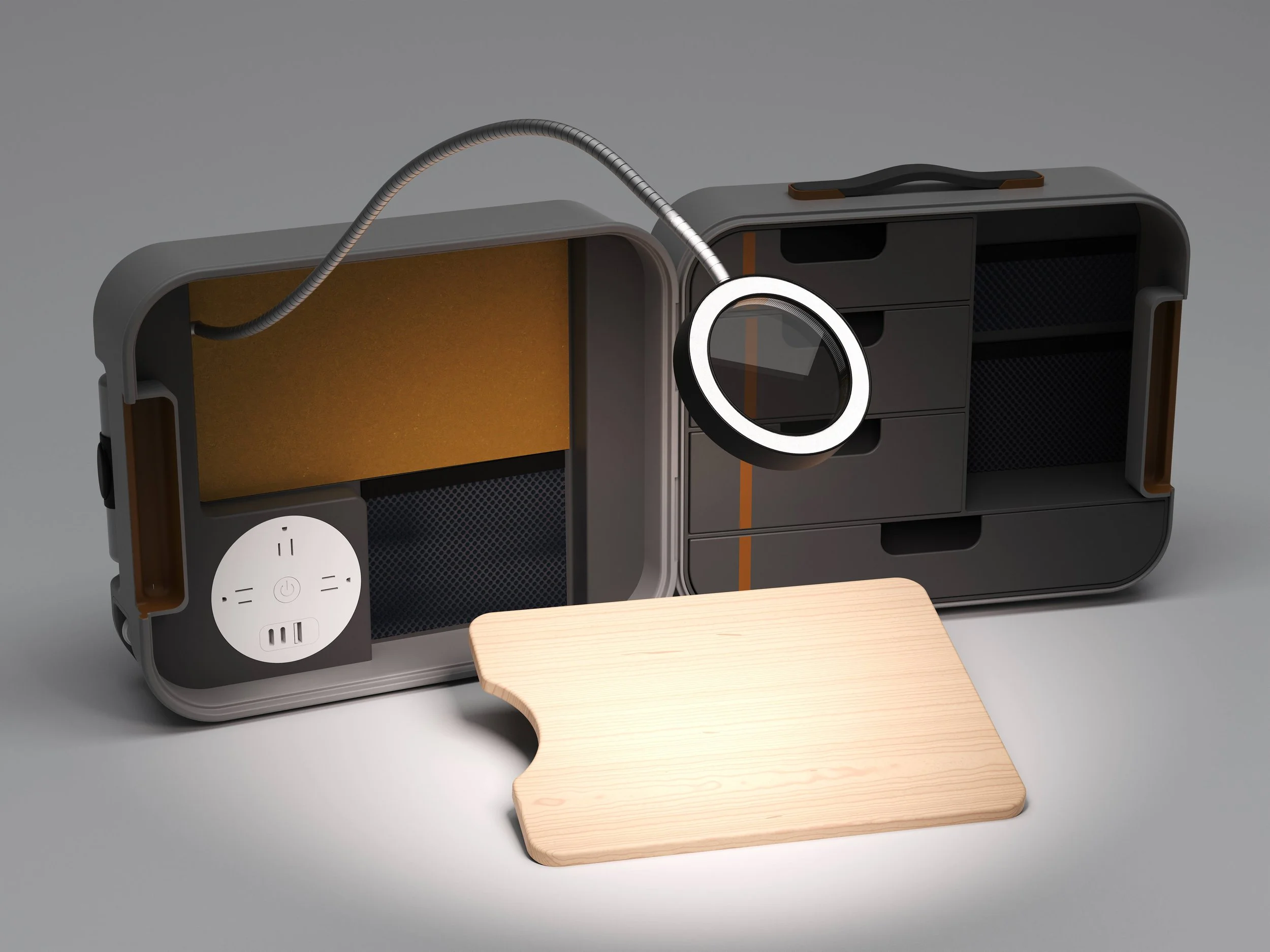
StudioGo
Aging In Place - In partnership with SFCS and Warm Hearth Village
January, 2026
Project Duration: 10 Weeks
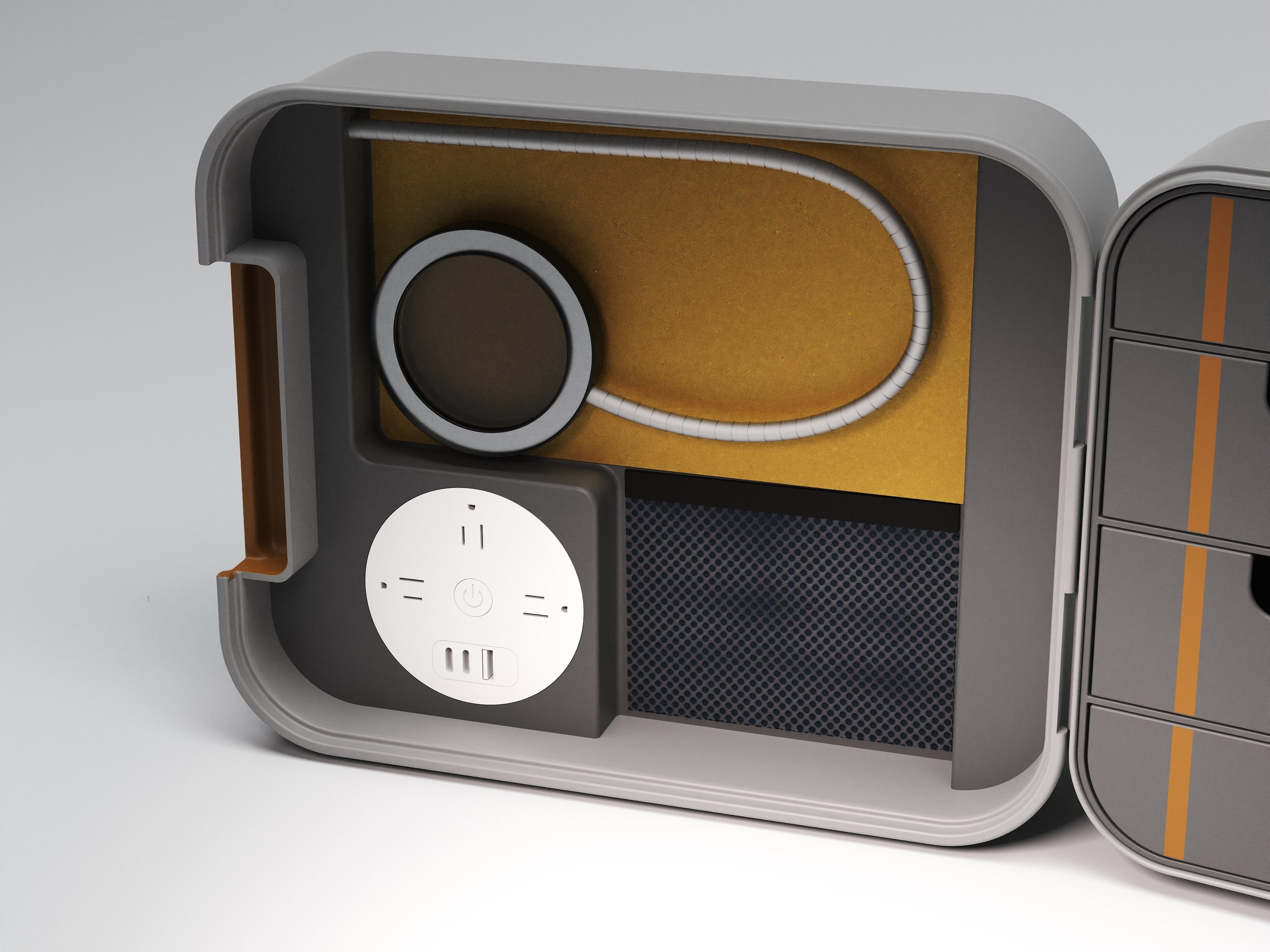
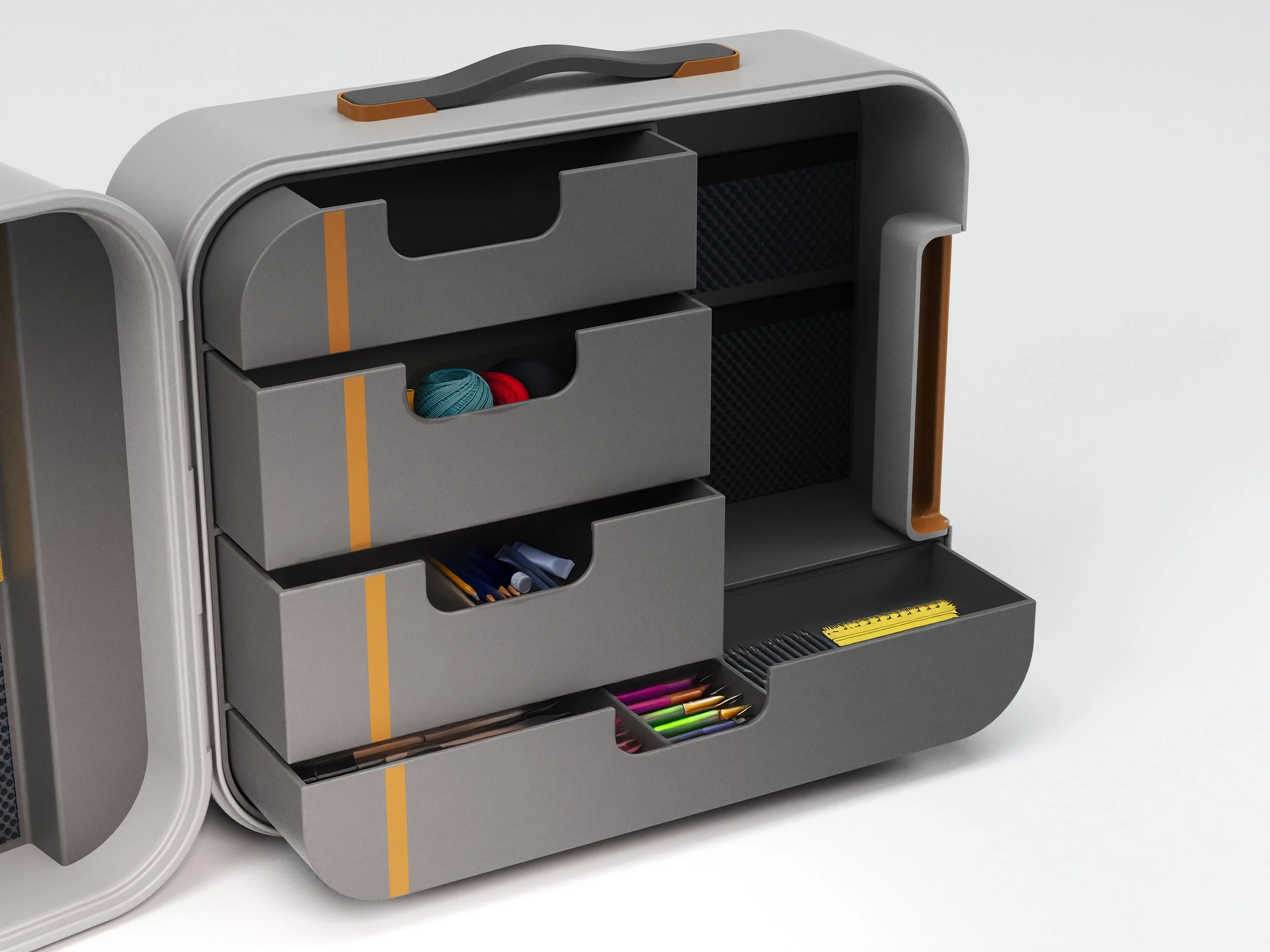
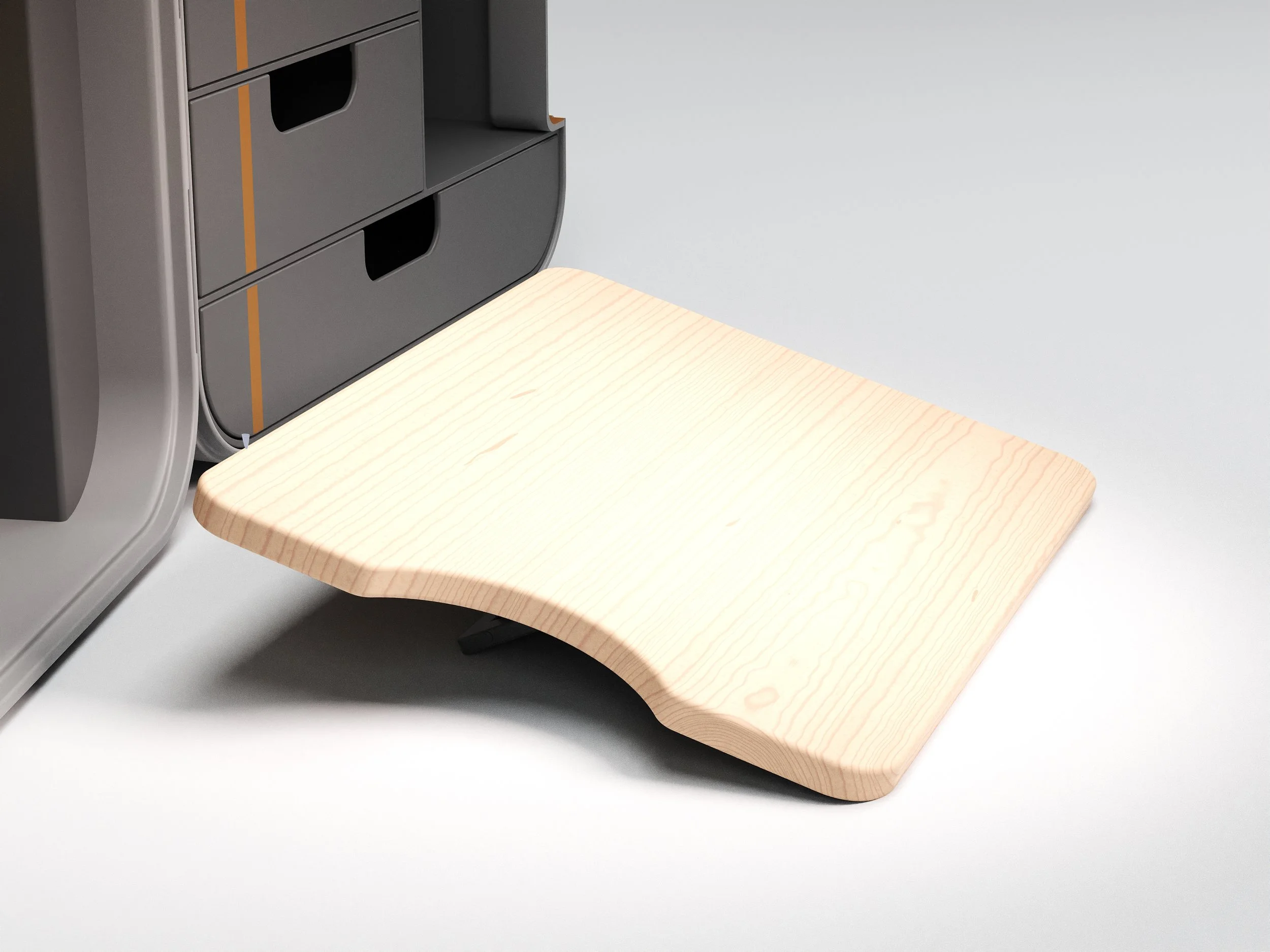
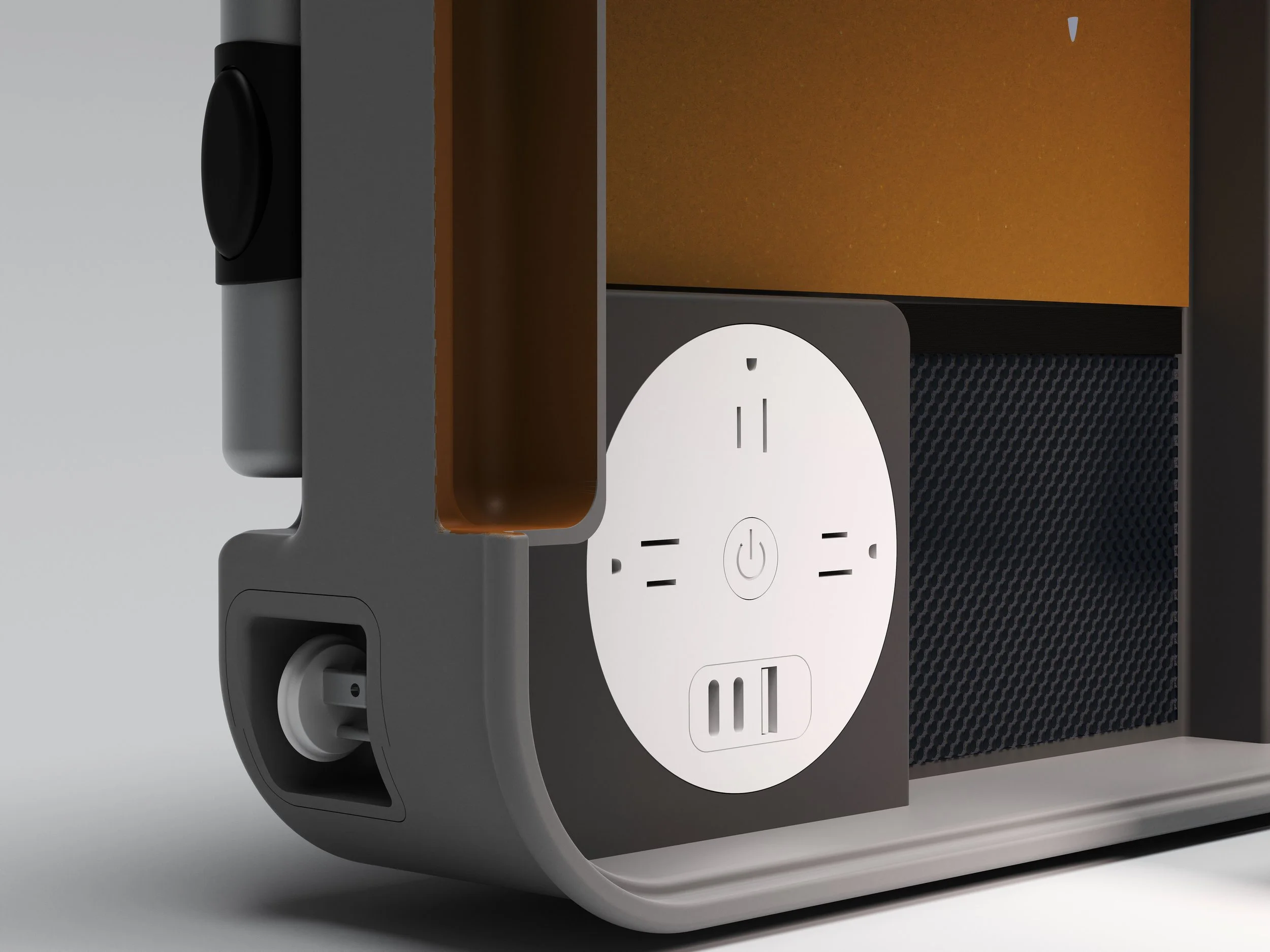
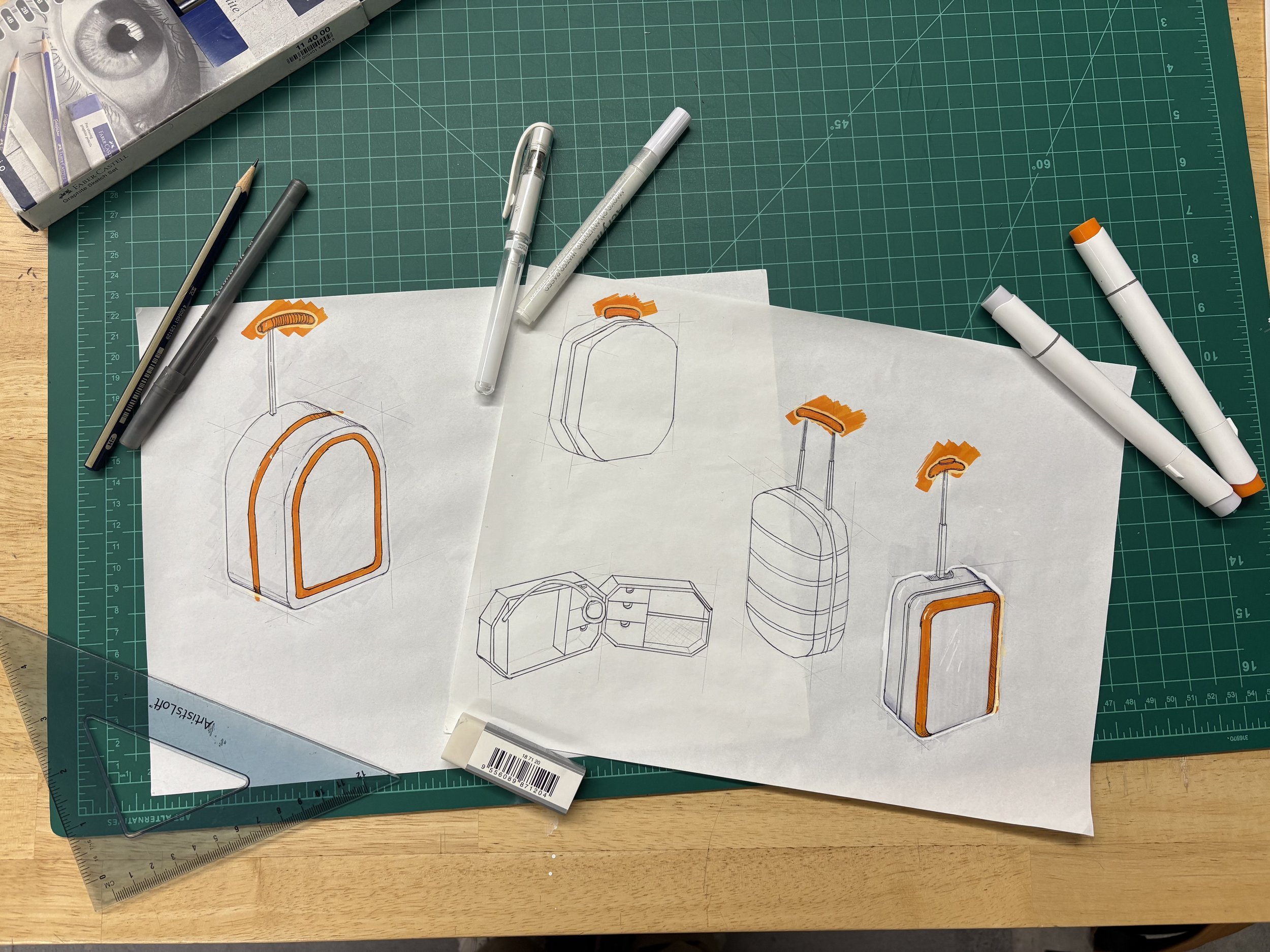
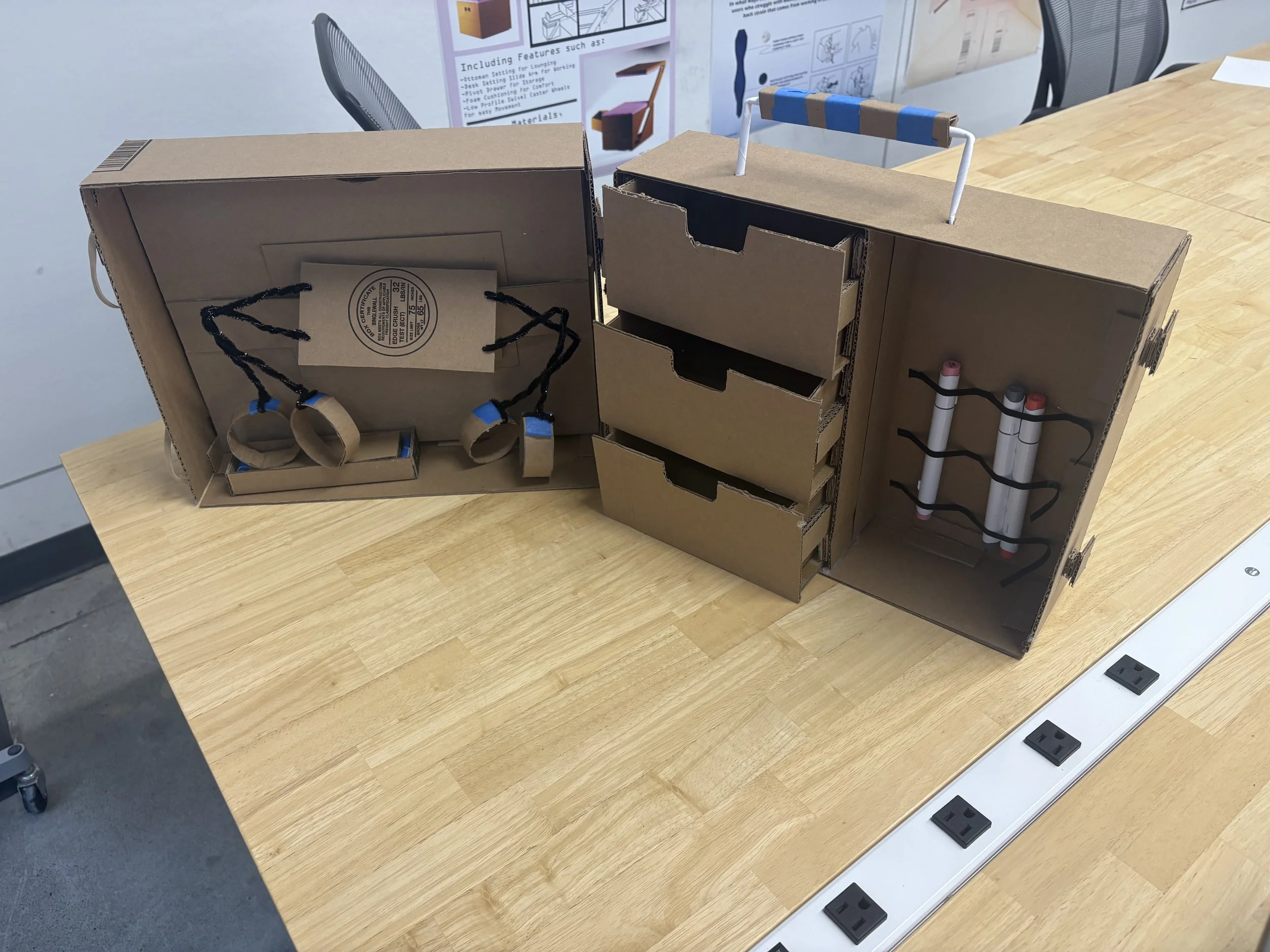
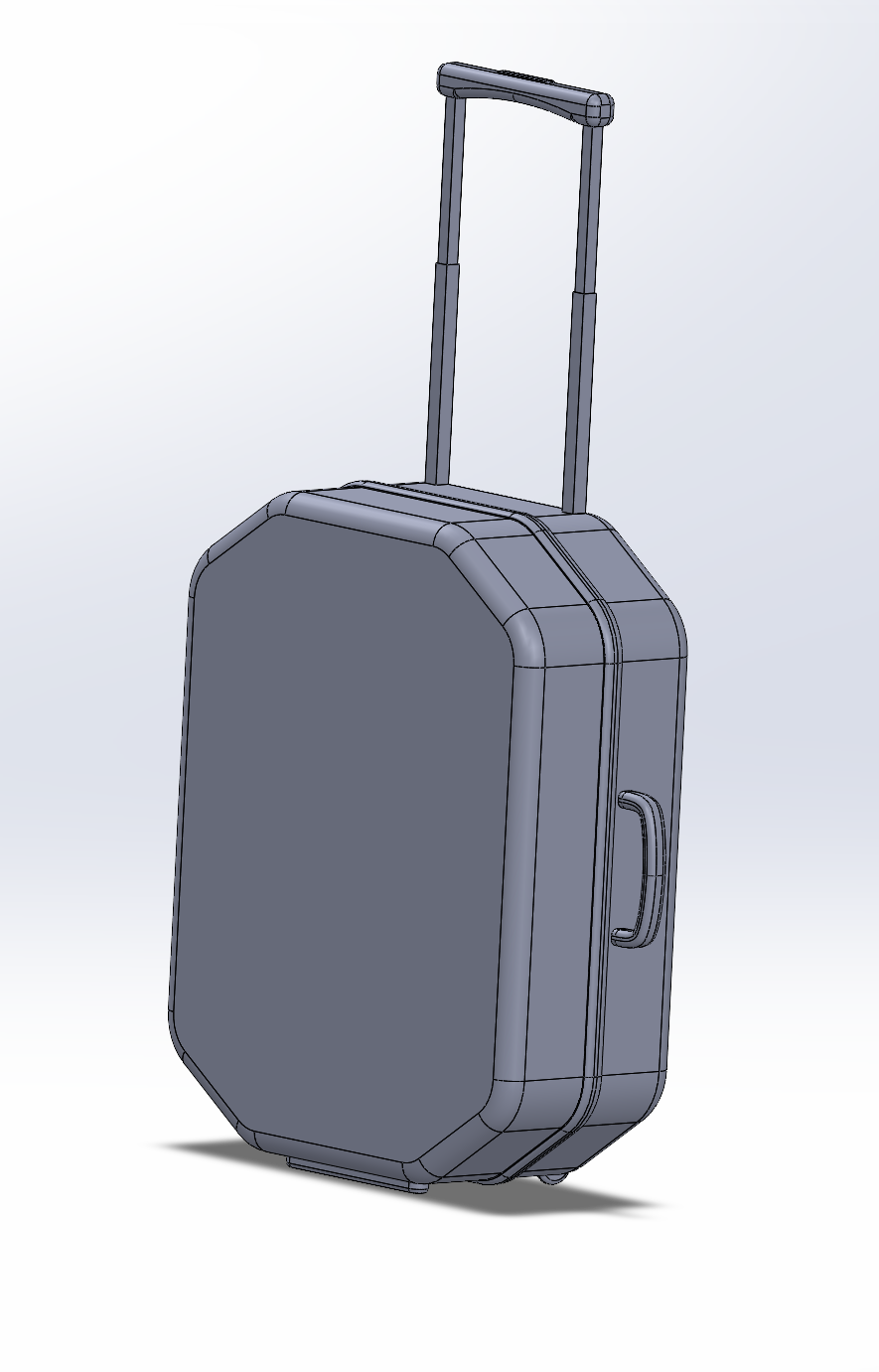
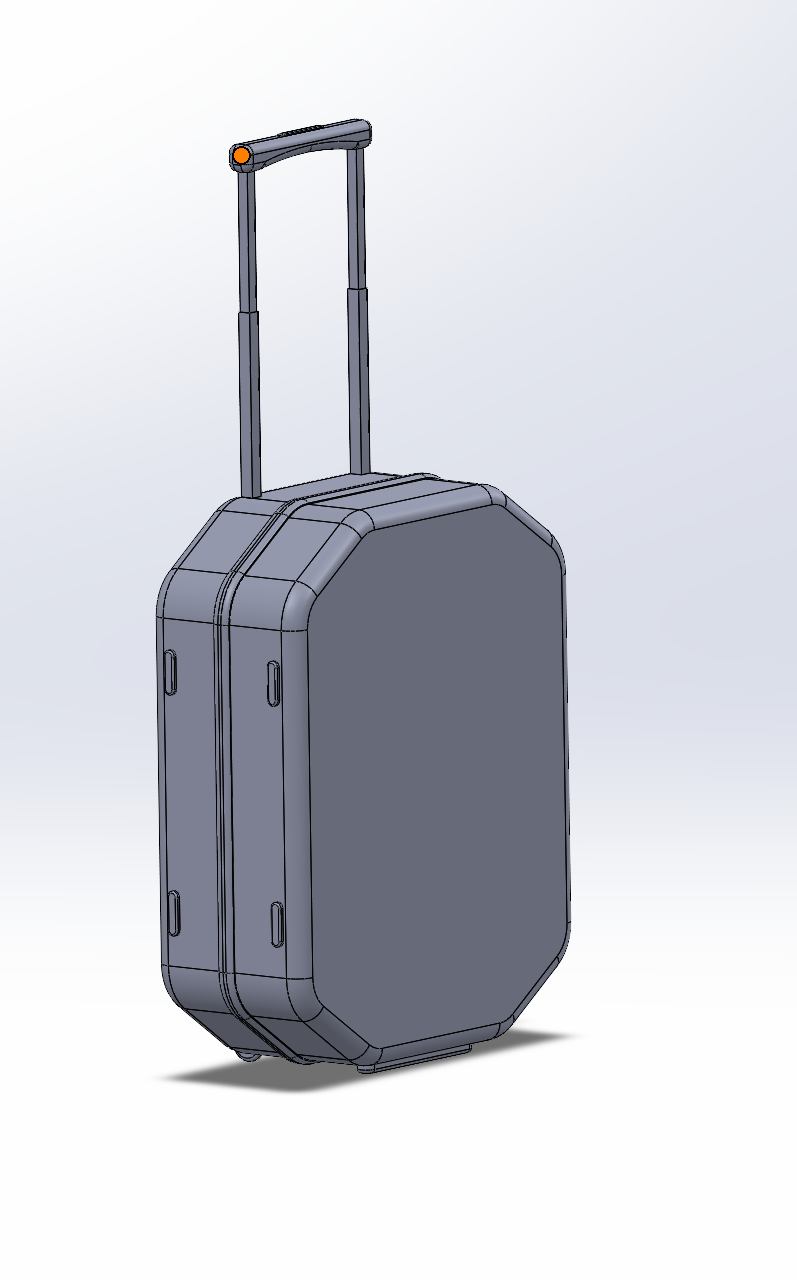
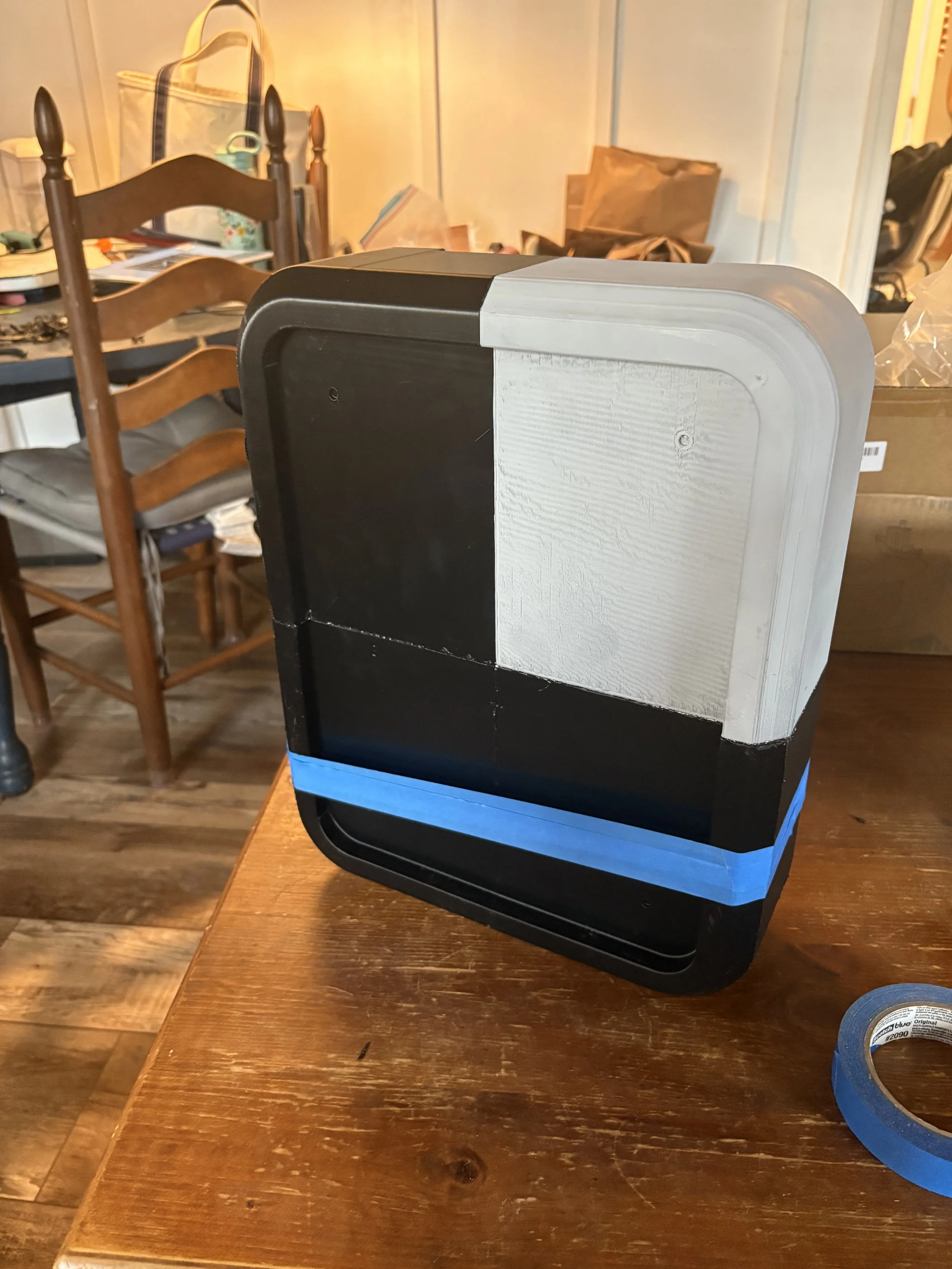
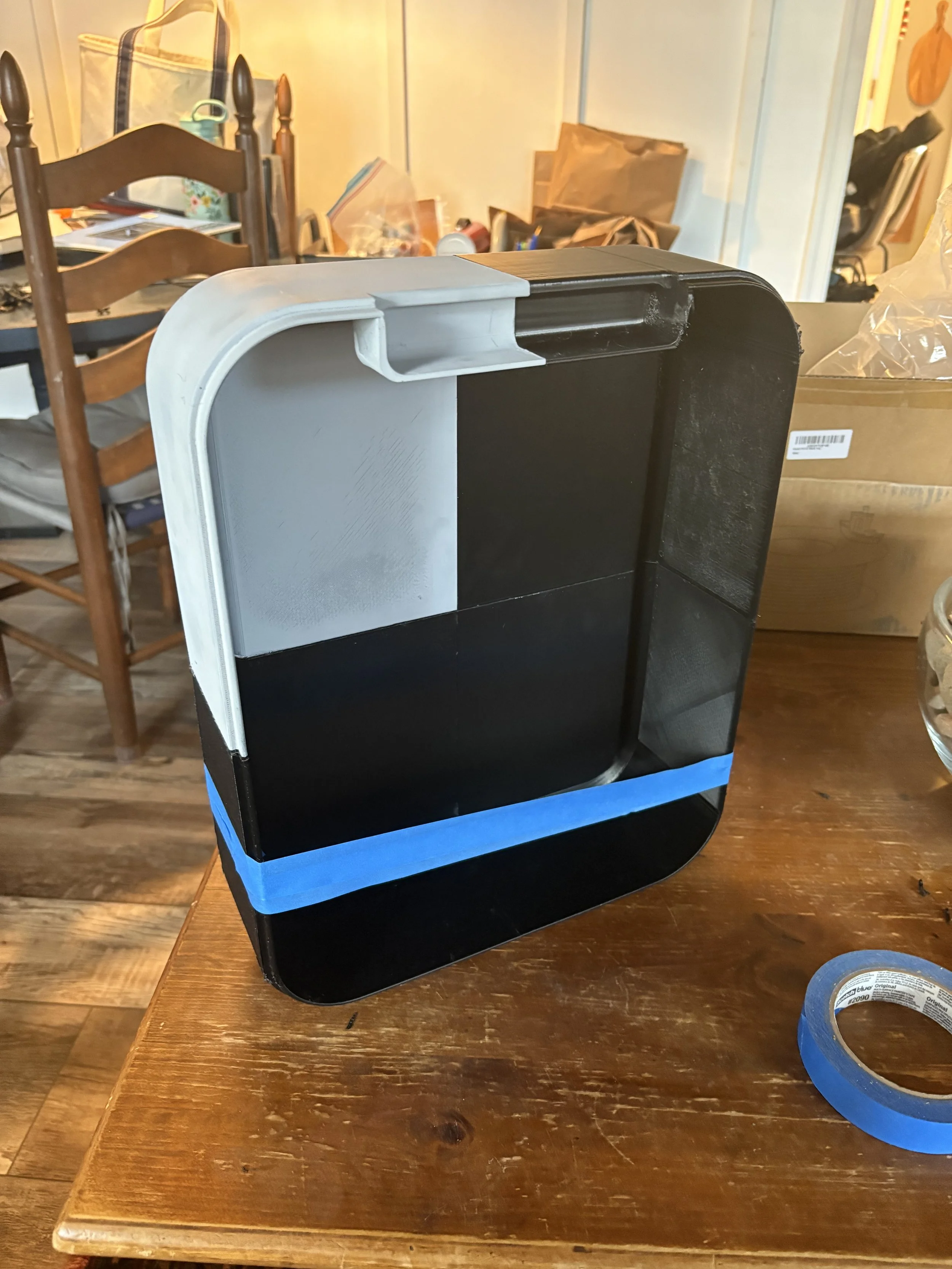
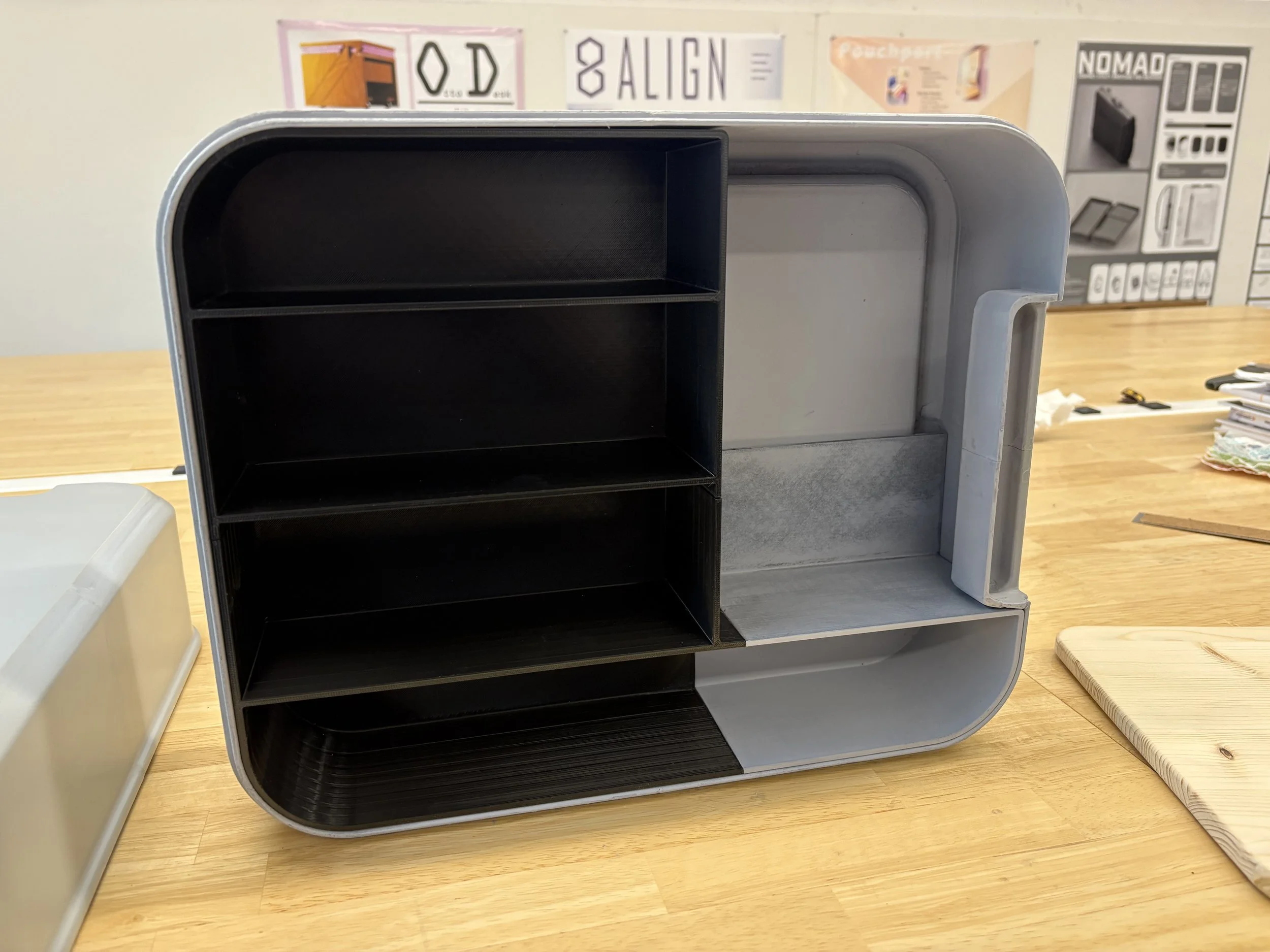
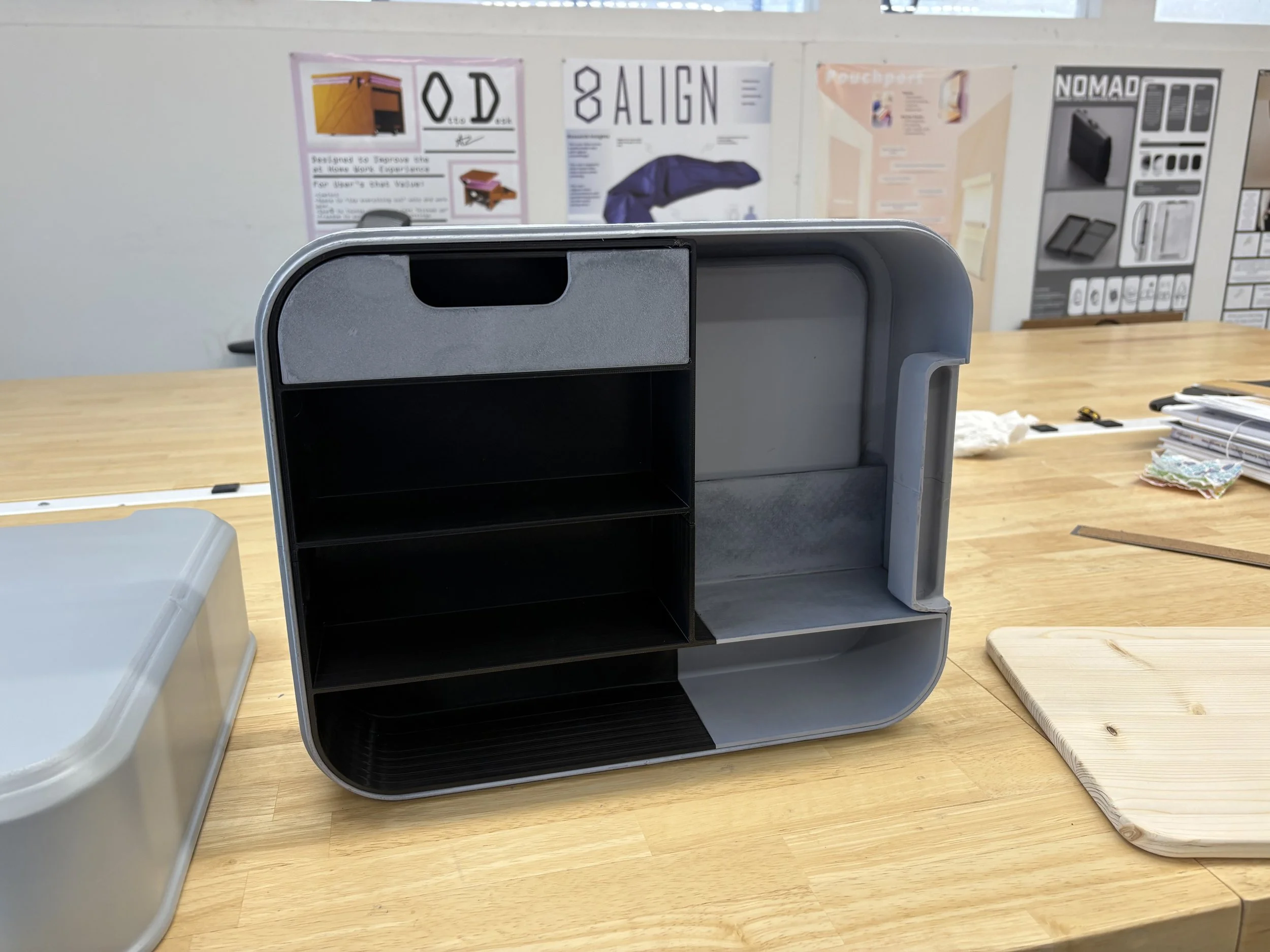
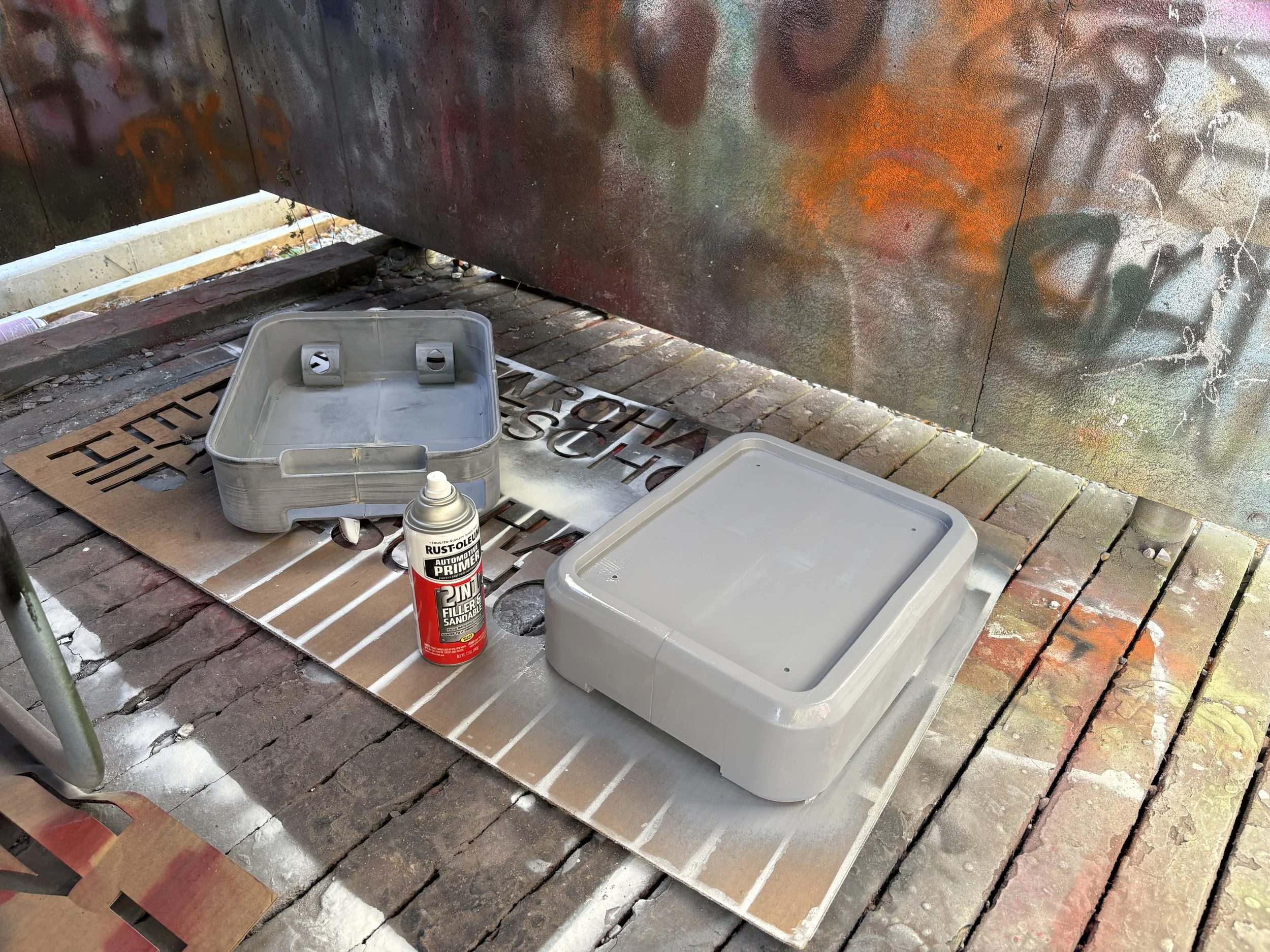
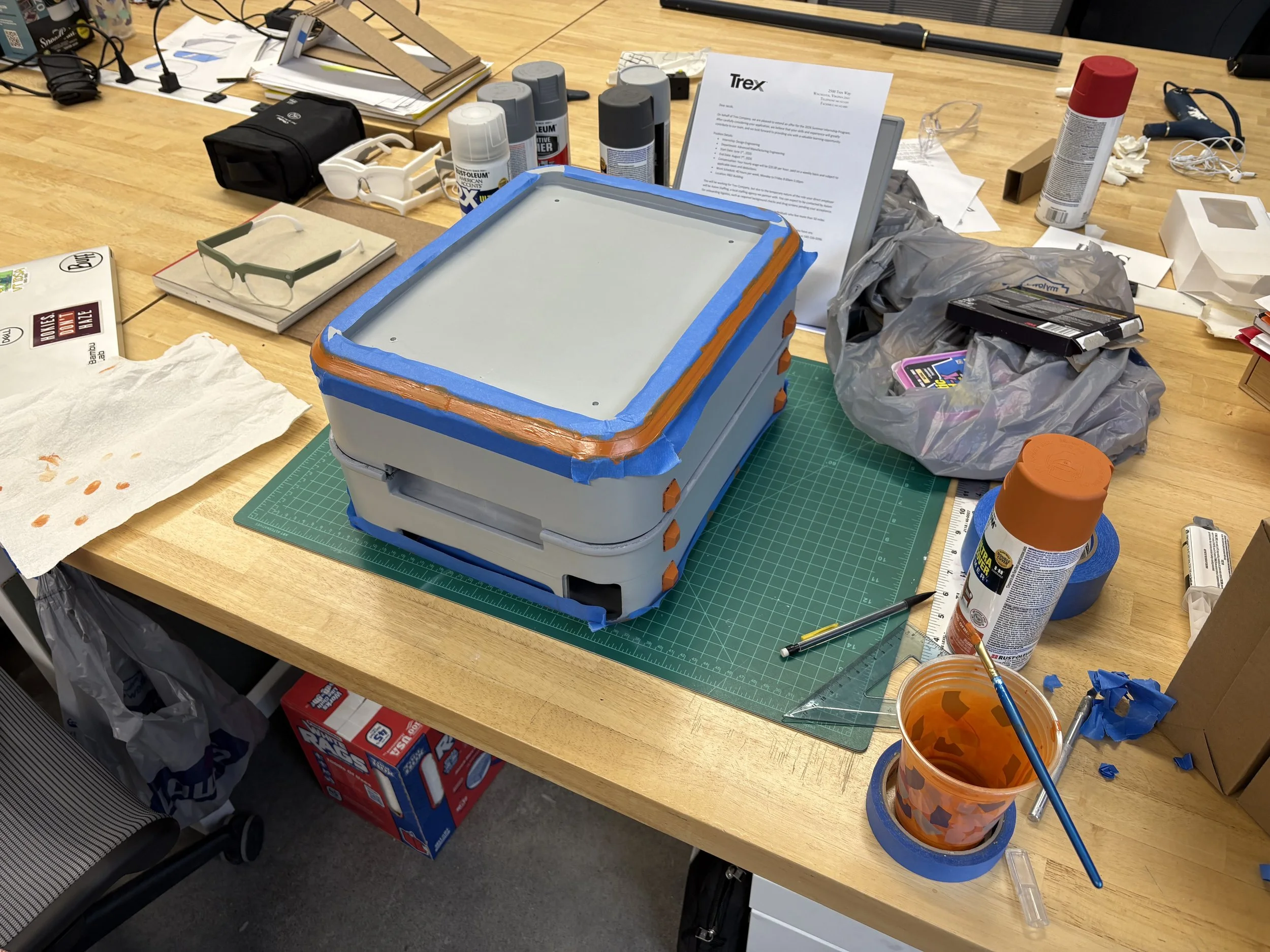
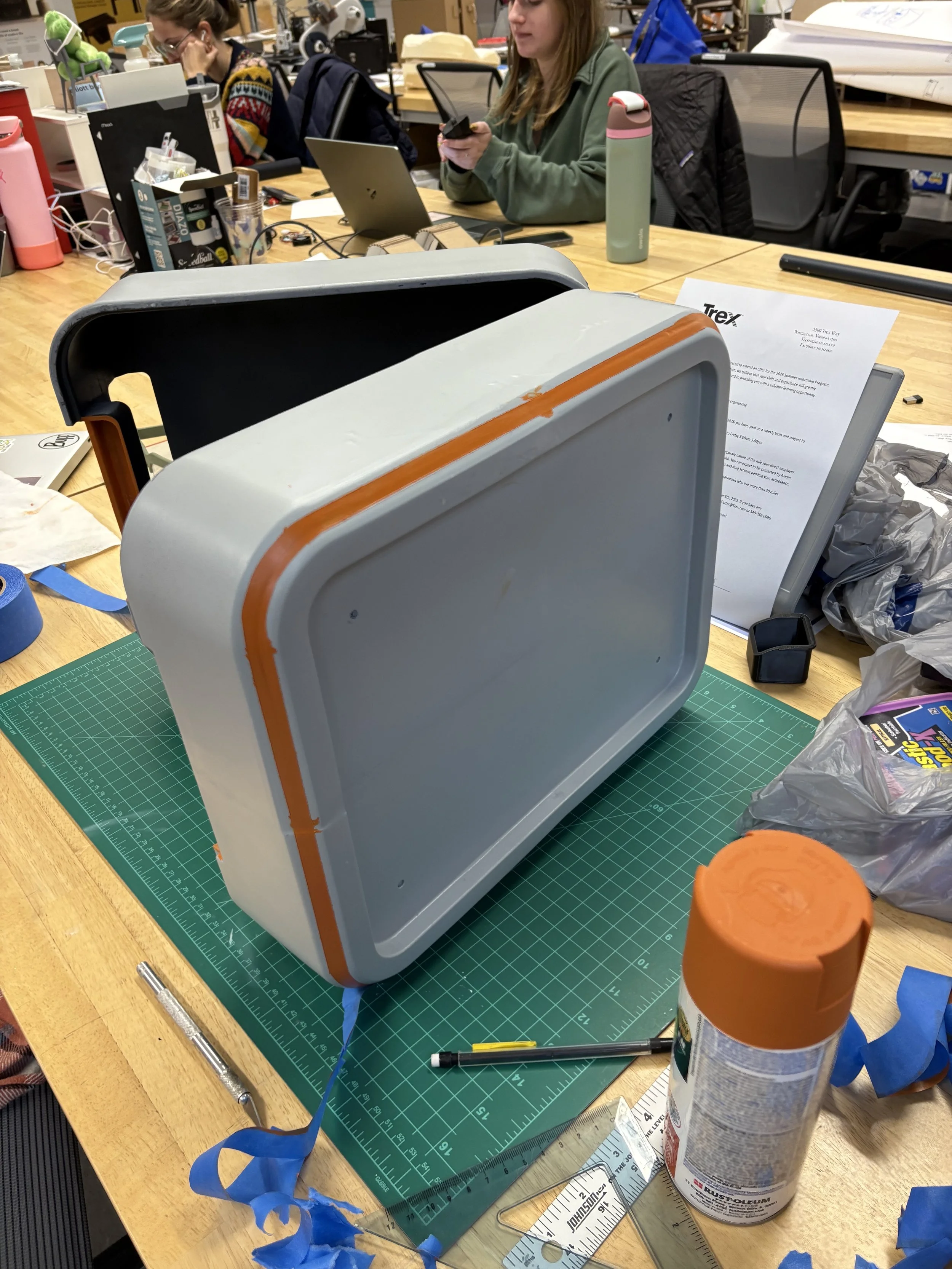
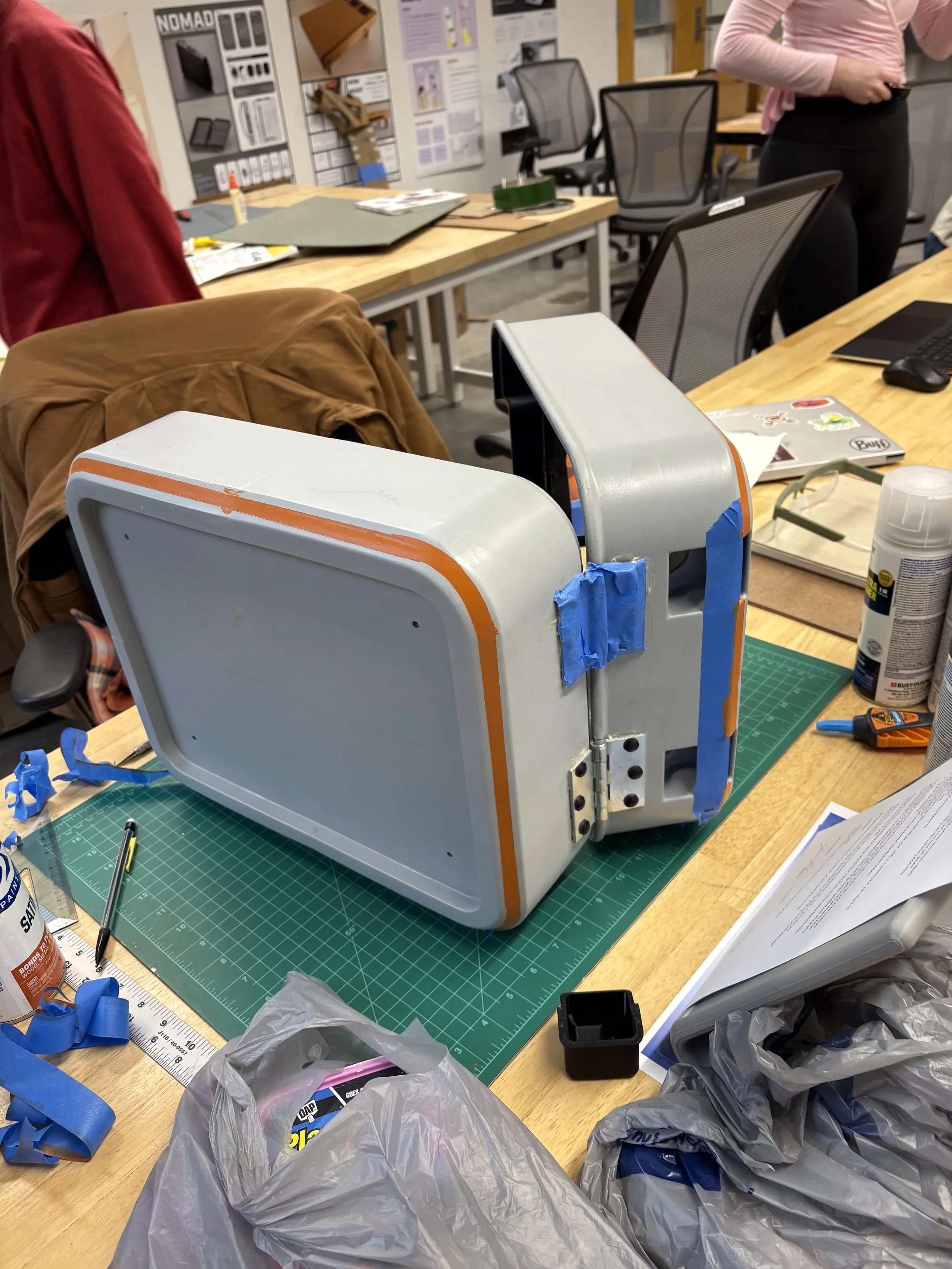
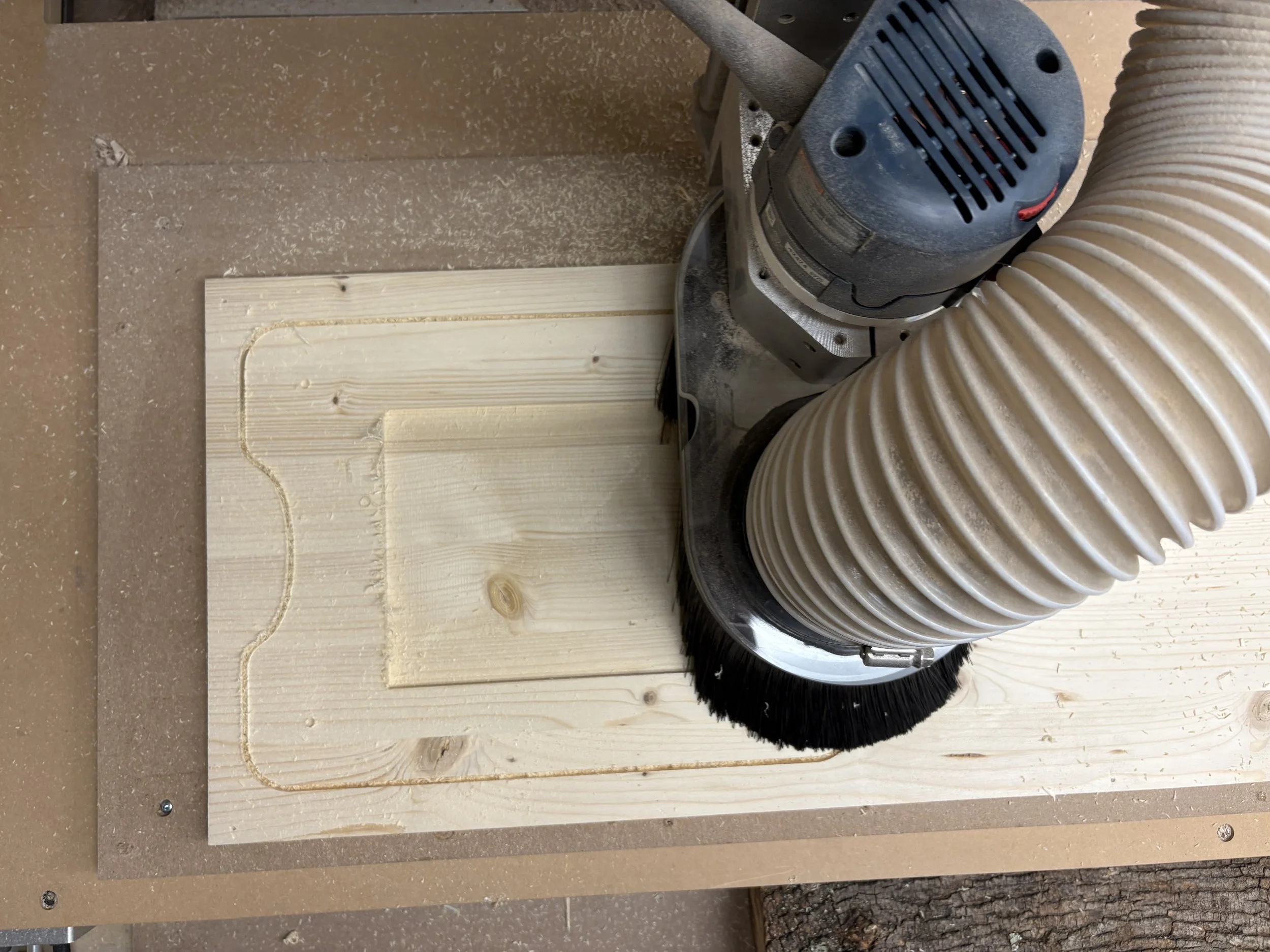
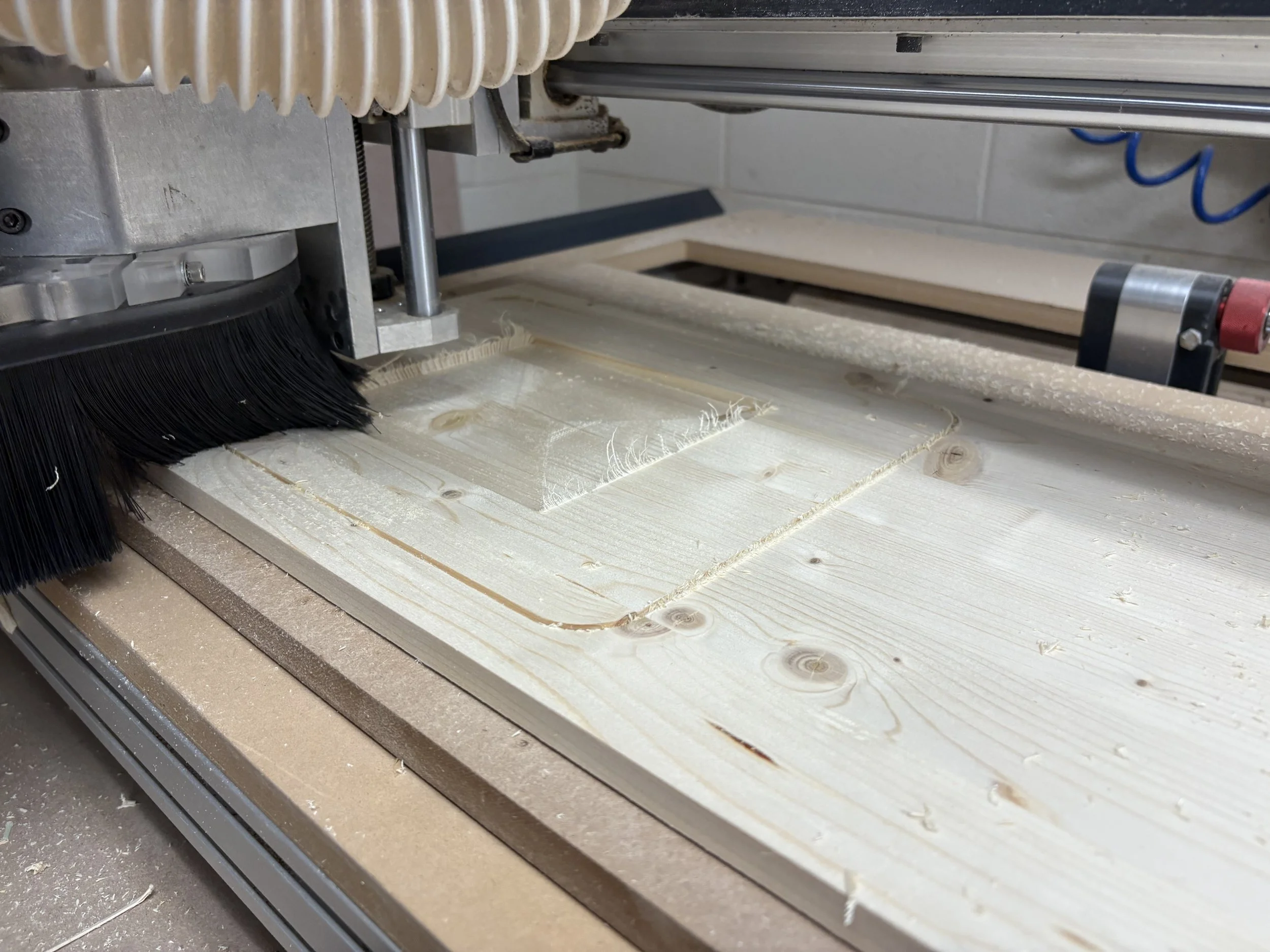
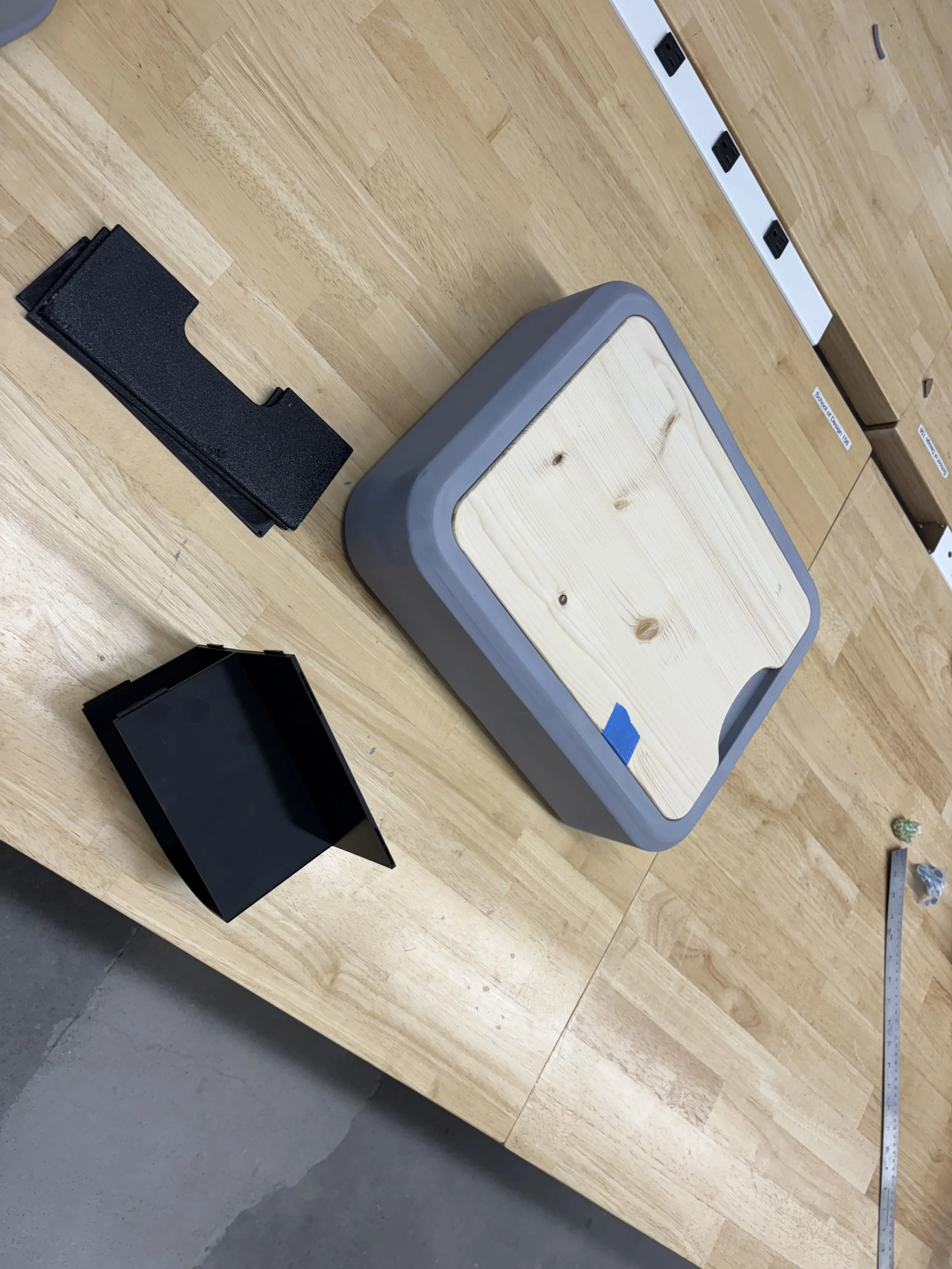
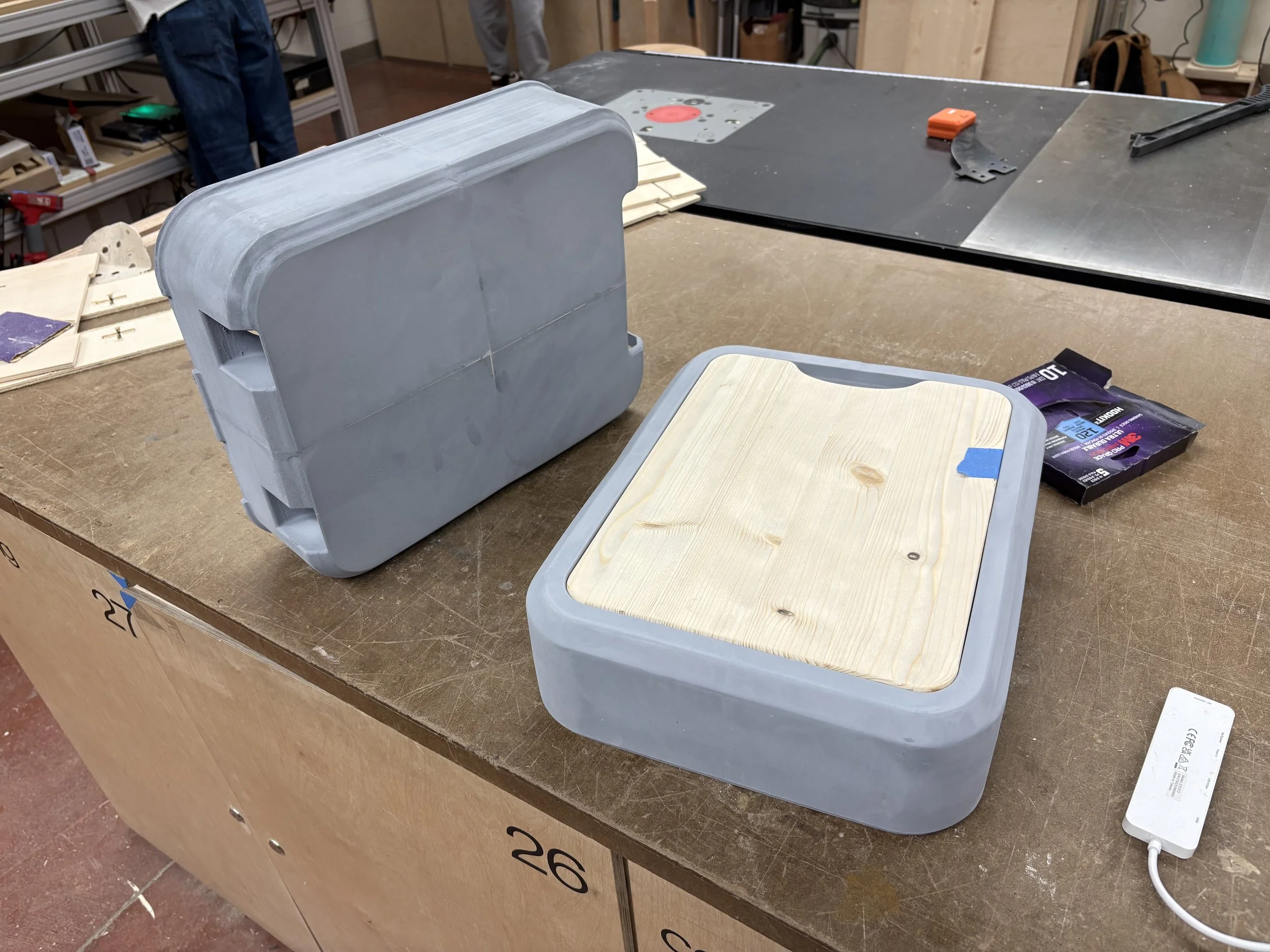
Studio Go is a portable crafting station designed to help seniors easily take their arts and crafts on the go and connect with their community. The case was developed with accessibility in mind, prioritizing ease of transport, simple setup and cleanup, and a comfortable, enjoyable way for users to engage creatively and socially. This team project was accomplished with Sydney Dechow, Jasmine Ferdinand, Jaden Li, and Max Anderson.

This project explores the designer’s ability to create a better product, service, or environment for the elderly to maintain connection with our changing world and improve their quality of life so that they may better age in place.
Background Research
The team identified 7 recurring problems that would have a large impact if approached.
1. Falls and injury risk
Falls are the leading cause of injury in adults 65+, and >1 in 4 older adults report a fall each year. Fall related death rates continue to rise.
Possible Solutions
• Apple Watch Fall Detection (auto-detects hard falls, can contact emergency services).
• Lifeline medical alert systems (formerly Philips Lifeline).
2. Social isolation & loneliness
Social isolation/loneliness are linked to higher risks of depression, heart disease and cognitive decline; long-term-care residents are especially vulnerable.
Possible Solutions
• Get Set Up live online classes for older adults (skills + social connection).
• Papa (companionship/“Papa Pals” visits that reduce isolation and support daily needs).
3. Medication complexity & polypharmacy
Using 5+ meds is common and raises risks of adverse events, interactions, falls, and cognitive effects; deprescribing is an evidence-based need.
Possible Solutions
• Hero smart pill dispenser + app (reminders, locked dosing).
• MedMinder automatic pill dispenser (remote monitoring, adherence support).
4. Deteriorating muscle strength, dexterity, and bone strength
As adults age, their muscles deteriorate, leading to less muscle strength and overall dexterity with their movements. Additionally, their bones become more fragile, leading to increased risk of breaks or fractures under physical duress.
Possible Solutions
• Stair lifts
• Adaptive equipment
• ADA furniture
5. Mobility & transportation barriers
Mobility limitations are multifactorial and increase risks of falls, hospitalization, and loss of independence; access to transportation is a persistent barrier.
Possible Solutions
• GoGoGrandparent (phone-based concierge to hail rides, no smartphone required).
• Lyft Healthcare / Lyft Silver (programs tailored to older riders and patient transport via partners).
6. Hearing loss & communication barriers
Hearing loss is common in later life; many older adults who would benefit from hearing aids don’t use them, affecting safety, social engagement, and cognition.
Possible Solutions
• Jabra Enhance (OTC hearing aids with remote audiology support).
• Captioned telephones (CaptionCall/CapTel) for low-hearing residents to use phones effectively.
7. Incontinence, skin integrity & dignity
Incontinence is very common in nursing-home/long-term-care settings, impacting skin health, infection risk, and quality of life.
Possible Solutions
• TENA ProSkin line (absorbent + skin-care products designed for aging skin).
Interview Themes
Longevity
According to the CDC, older adults with strong social connections live longer than those who are socially isolated.
Cognition/ Memory
Creativity stimulates multiple areas of the brain at once, strengthening neural connections and even building cognitive resilience.
Socialization
Research shows that those who are socially active have a healthier immune system.
Connection
Research has shown that connections are important, so we wanted to keep it at the core of the problem.
Accessibility
Our research revealed that older adults faced greater physical limitations, prompting us to seek a solution.
Independence
We want residents to be as comfortable and confident with themselves as possible, as research has shown that older adults have an increased desire for their own autonomy.
Stigmas
Our research showed that stigma was a growing problem in aging populations, so we wanted to address it.
Interview Insights
Mobility
Current physical mobility aids often cause problems like soreness in hands and wrists, a lack of ability to multitask, negative stigmas, and a clunky nature, which causes issues with storage. These issues cause seniors at Warm Hearth to resist using walking aids, therefore putting them in physical danger as well as causing a loss of independence.
Accessibility
Physical decline with aging results in challenges when performing tasks and hobbies, especially dexterous or nimble activities. This prevents the aging community from doing some of their favorite hobbies, such as painting, woodworking, or jewelry making.
Transportation
Transportation between medium distances, like moving between buildings and around the Warm Hearth community, is difficult for those with mobility issues. This prevents residents from being involved with their community and leads to social isolation.
Memory/Cognition
As people age, it can become easy to forget simple things like turning off the oven. This can put seniors at Warm Hearth in danger, or isolate them socially, because they forget about events that are happening around the community
Stigmas
Stigmas about disabilities, both physical and mental, persist in aging communities like Warm Hearth, despite how common it is to have one. Stigma sometimes prevents people from living in the proper level of care that they need, which can be dangerous. It can also lead to social isolation, as seniors do not want to be judged.
Agency and Independence
Residents like to stay as independent as possible, while retaining agency within their community. Both become increasingly difficult as they lose their mobility as well as their cognitive abilities, resulting in a poorer quality of life.
Technology
Aging populations do not often understand how to use technology at a level that matches the proficiency of many in the modern age. This can lead to frustrations, preventing seniors from enjoying things like TV. It can also lead to isolation from their younger, more tech-savvy family, who might stay connected through the phone.
Connection
Seniors who tend to be more introverted struggle with making meaningful social connections compared to those whore tend to be more extroverted. Lack of social connection causes cognitive and physical decline
Key Insights
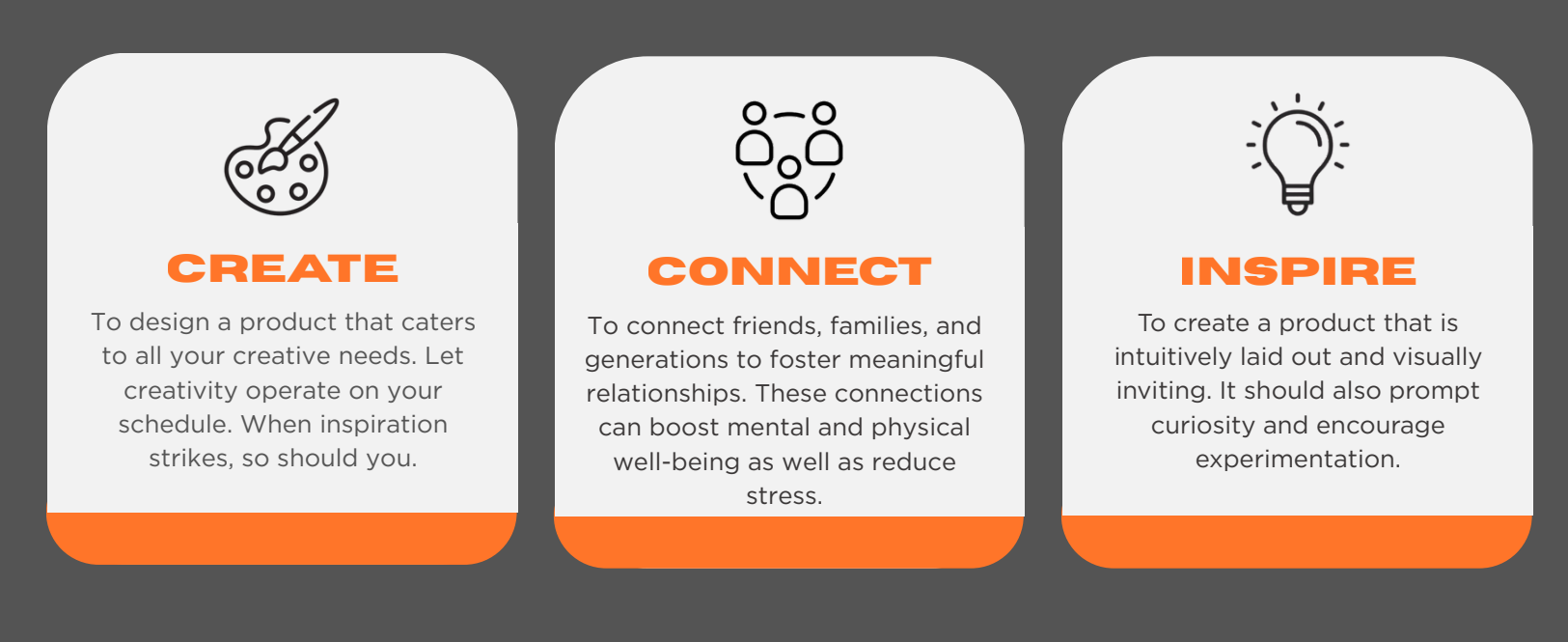
Social connection is key to leading meaningful and fulfilling lives.
Creative hobbies are important parts of retirement that create a sense of purpose in older adults lives.
Accessibility can be a challenge as older adults age that can limit them from doing what they love, independently.
Ideation
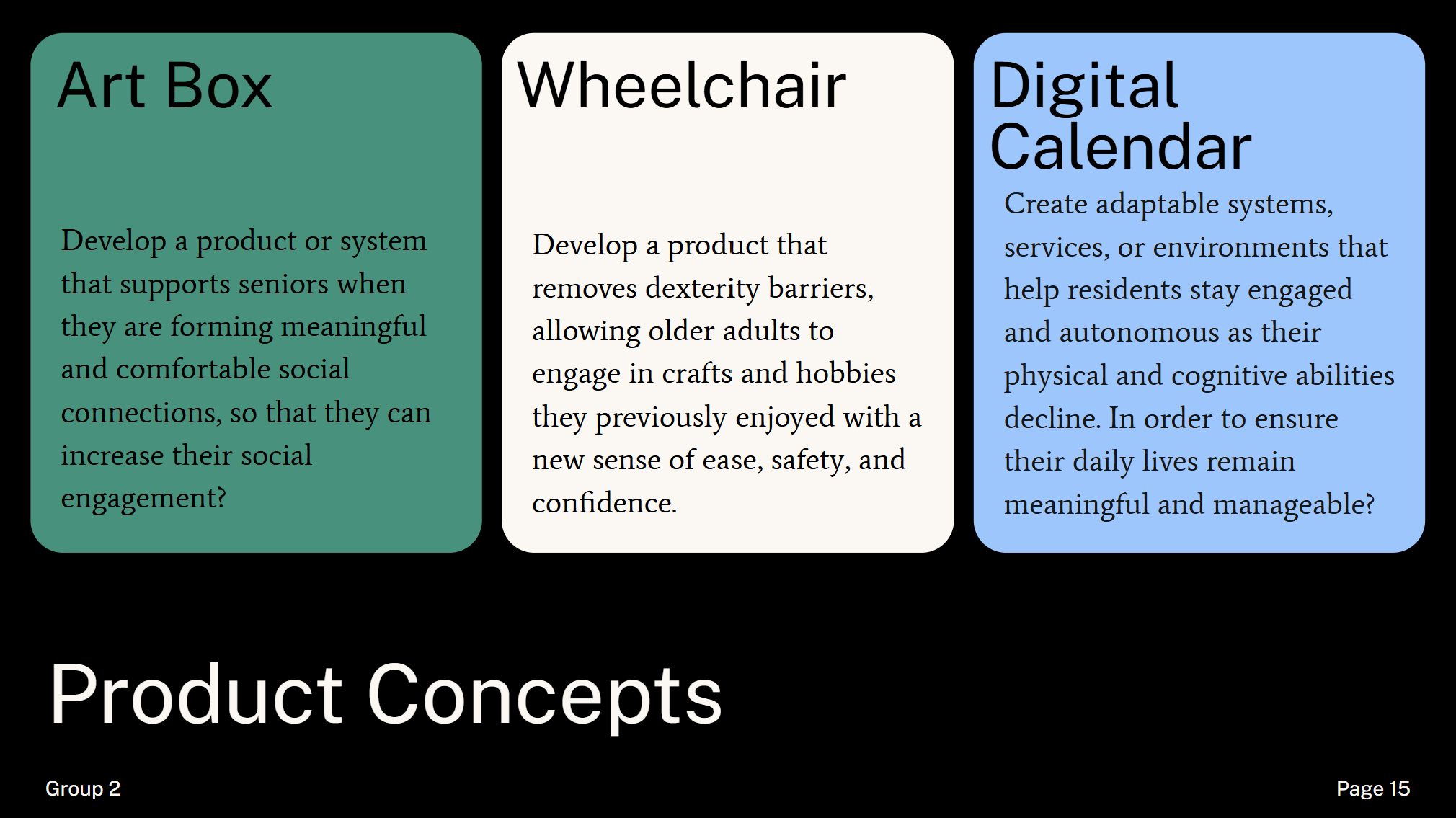
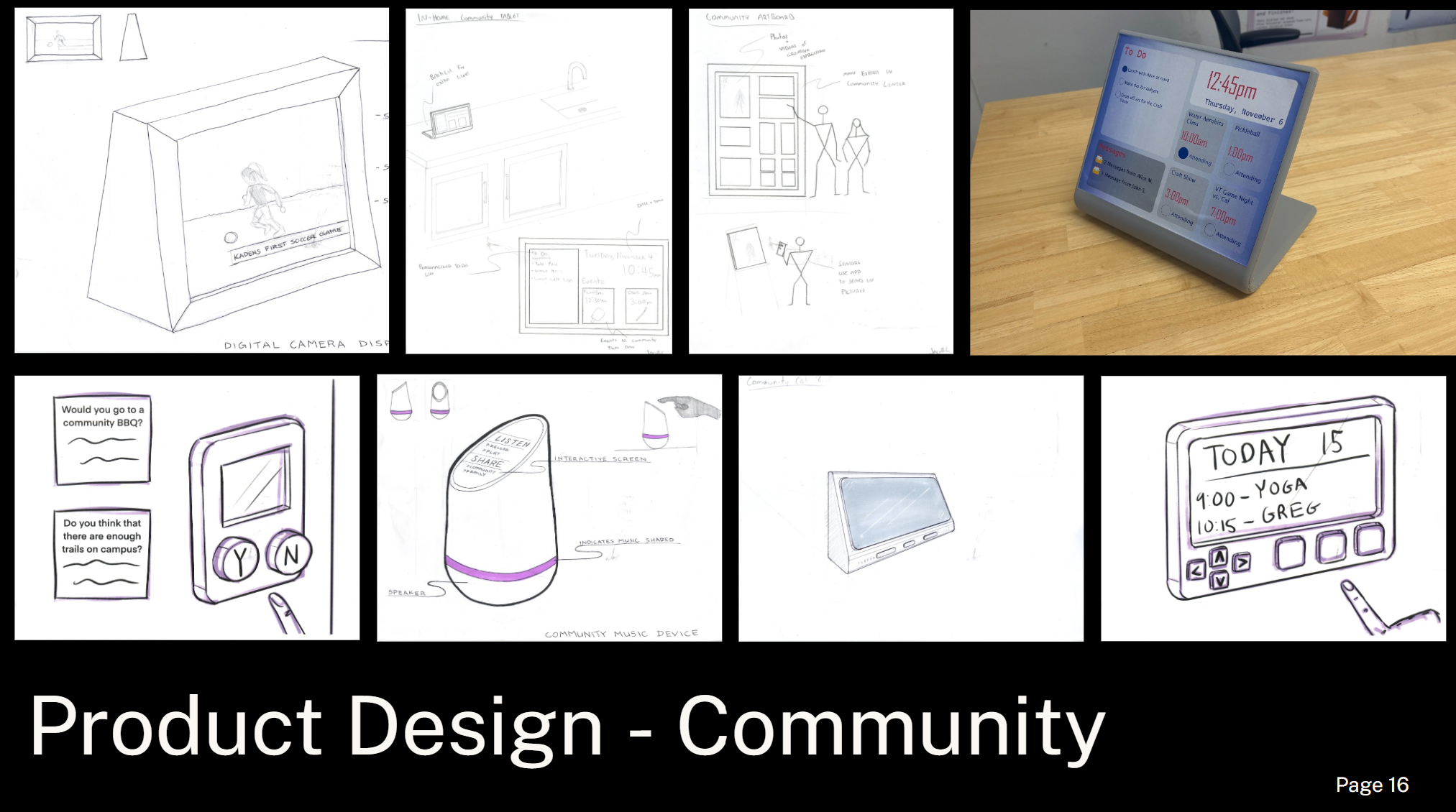
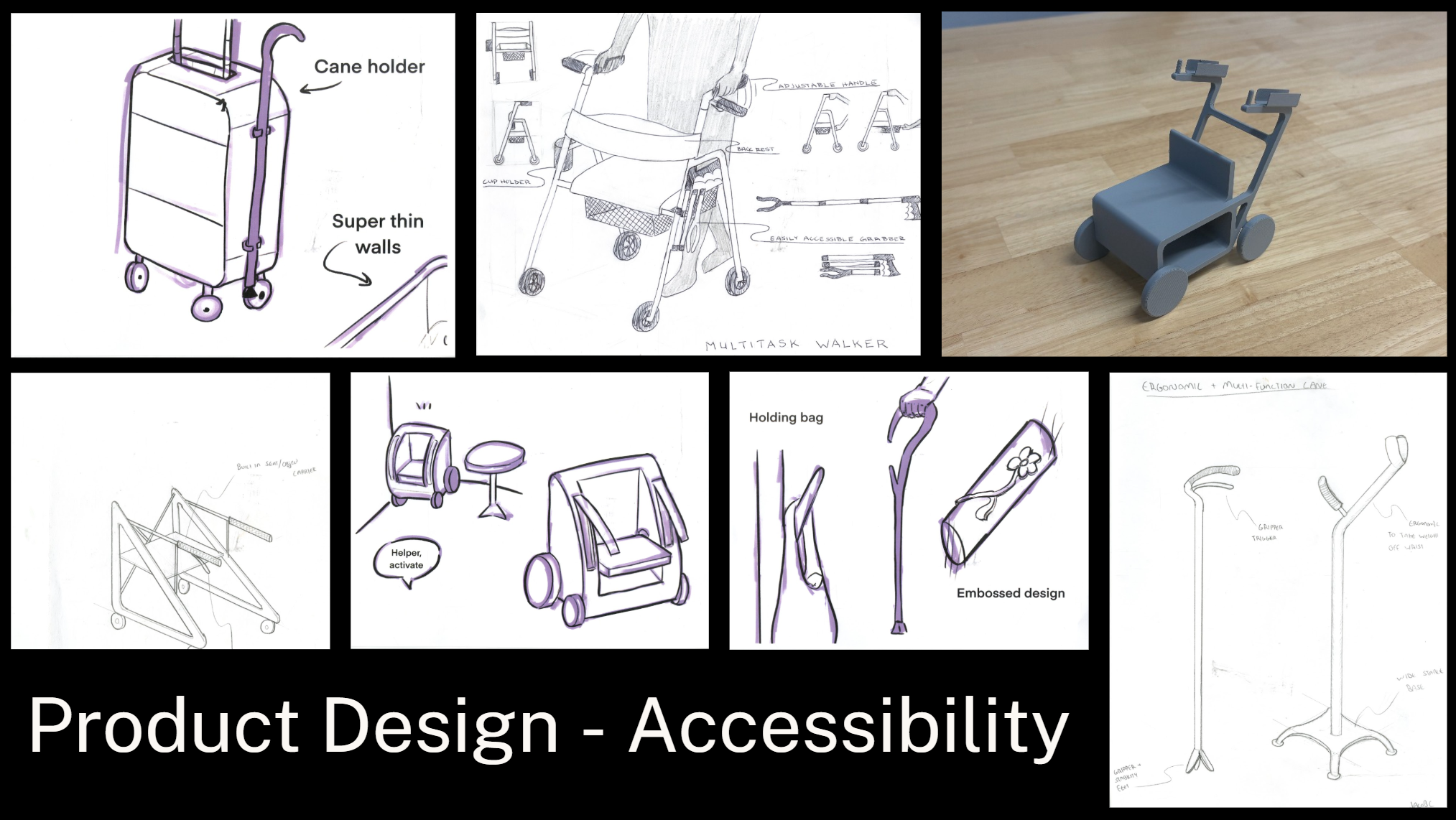
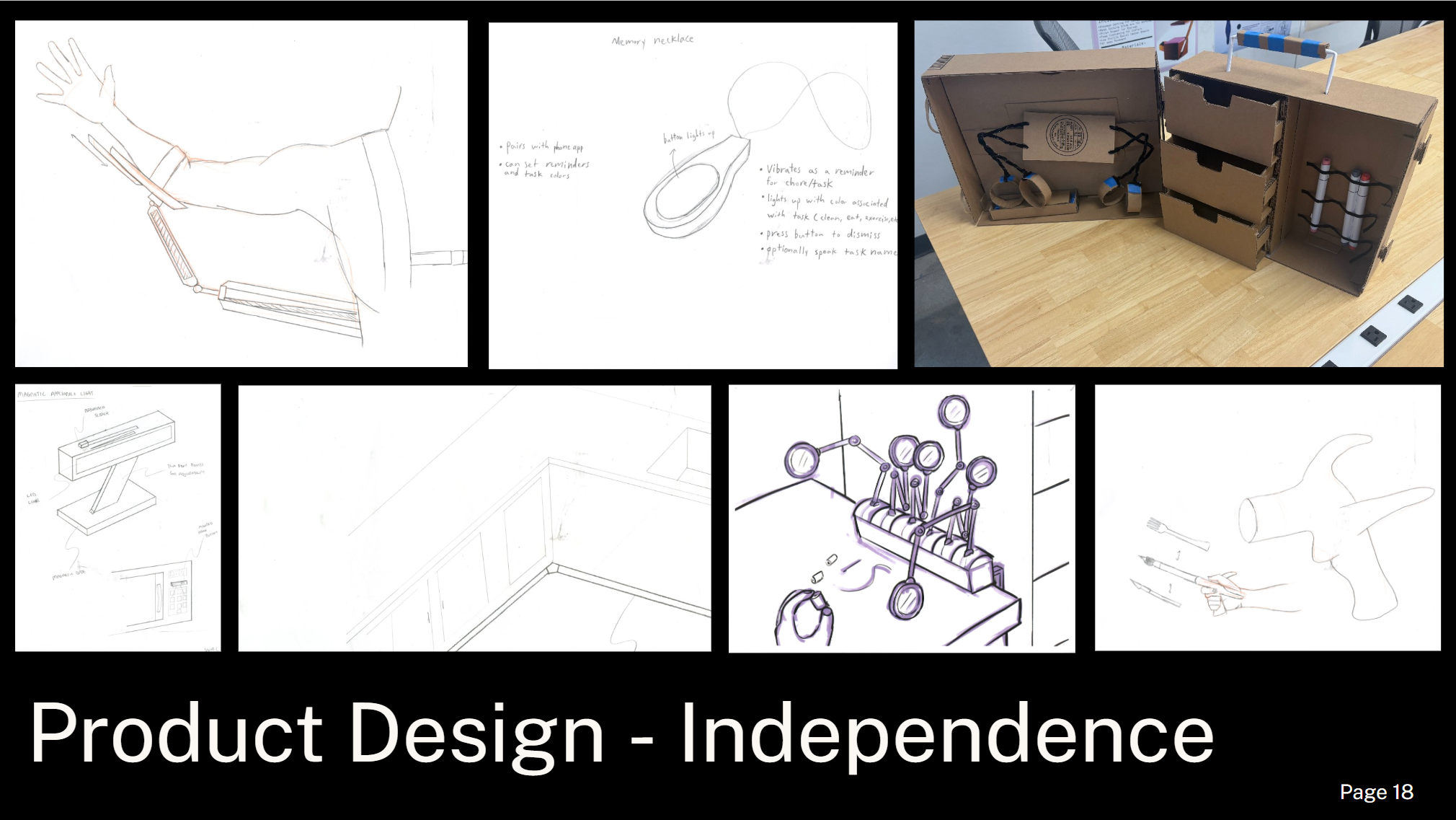
How Might We…
Design a product that makes creating effortless, supports social crafting, and sparks inspiration so that aging adults can enjoy creativity anywhere with comfort and confidence?
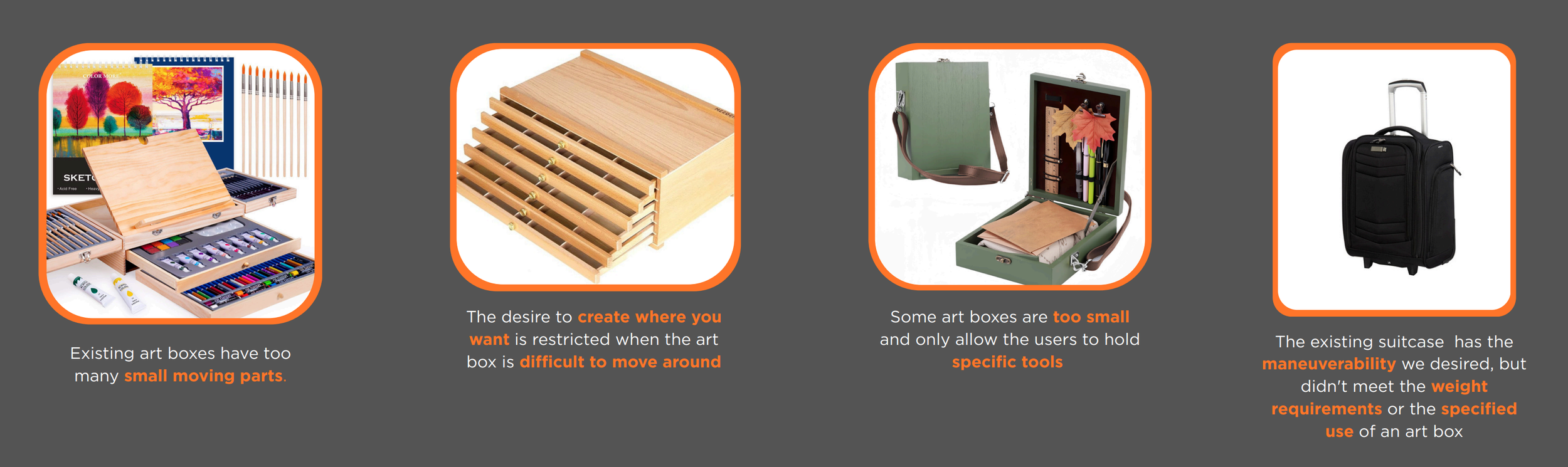
Market Research
Final Renders